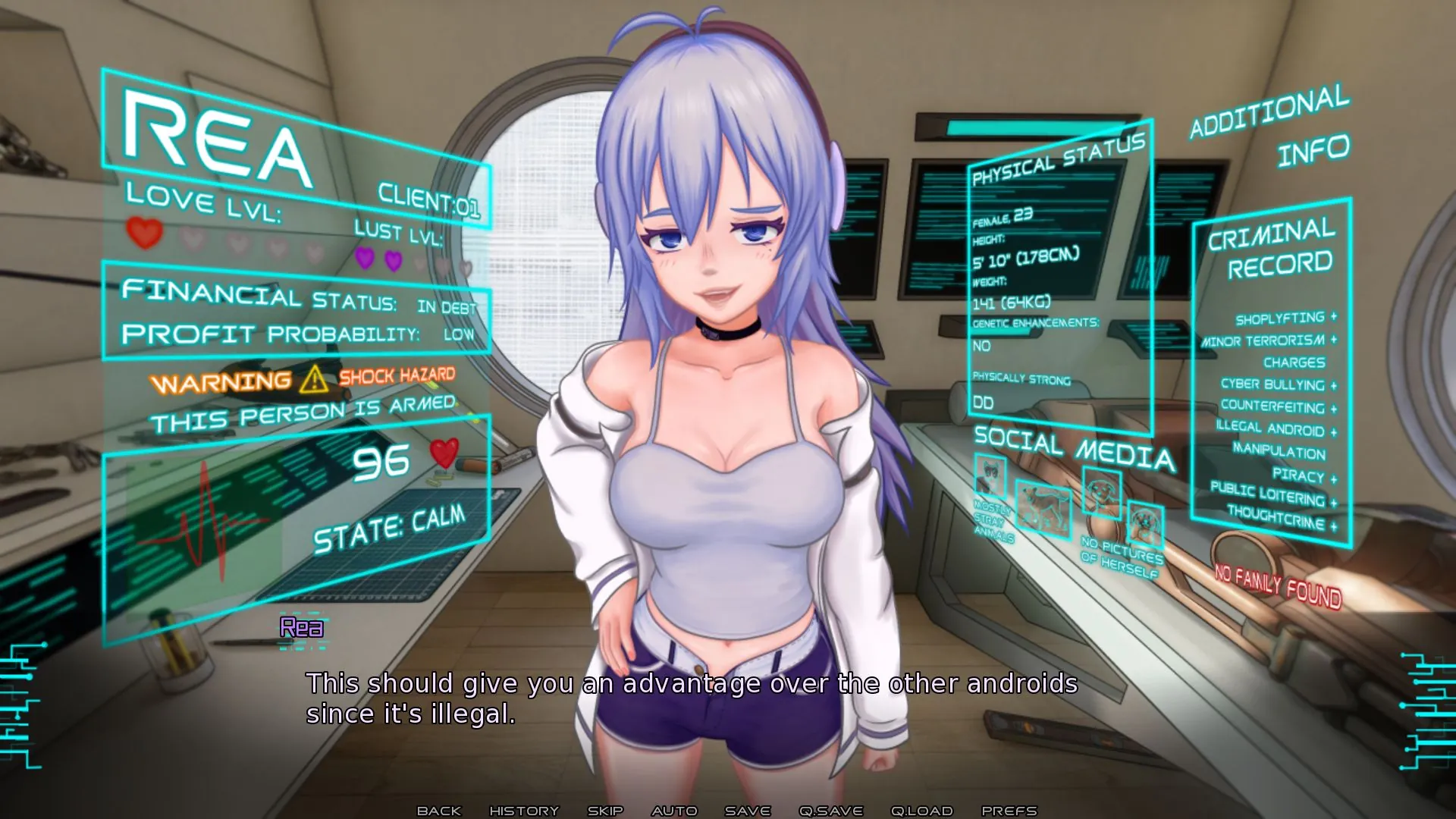
Bad Bobby Saga
Play Bad Bobby Saga
Bad Bobby Saga Screenshots











Bad Bobby Saga review
Everything you need to know about this indie adult game project
Bad Bobby Saga is an indie adult game that has garnered significant attention within the gaming community, particularly for its development journey and community engagement. This comprehensive guide explores the game’s features, gameplay mechanics, development challenges, and what players can expect from this ongoing project. Whether you’re a curious newcomer or an existing player, understanding the game’s background, current state, and future direction provides valuable context for this unique indie title.
Understanding Bad Bobby Saga: Game Overview and Core Mechanics
Ever found yourself clicking through a visual novel, feeling like your choices don’t really matter? 🫤 You pick a flirty dialogue option, but the character reacts the same way they would have if you’d just said “hello.” It’s a common letdown. That’s exactly why Bad Bobby Saga grabbed my attention. This isn’t just another indie title on the block; it’s a reactive, character-driven experience that puts your decisions at the absolute center of the narrative. As someone who’s played my fair share of indie narrative games, I can tell you the difference here is night and day.
So, what’s the big deal? Bad Bobby Saga is a passion project from a small, dedicated team, built on the idea that every choice should ripple through the entire story. It’s a game where getting to know the characters is the game. Forget about grinding for stats or solving abstract puzzles—the core challenge here is navigating complex personalities and living with the consequences. If you’ve ever wished a game would truly remember how you treated someone three chapters ago, then buckle up. This interactive narrative game is built for you.
What is Bad Bobby Saga and Its Core Gameplay
At its heart, Bad Bobby Saga is a choice-based gameplay experience wrapped in a rich, character-driven story. You step into the shoes of Bobby, a young man returning to his hometown after years away, only to find his past waiting for him—along with a chance to forge a new future. The core loop is deceptively simple: explore environments, engage in conversations, and make decisions. But don’t let that simplicity fool you. This is where the game’s genius lies.
The Bad Bobby Saga gameplay is built on a foundation of meaningful interaction. Unlike many games where dialogue choices are just cosmetic, here they are the primary mechanics. You’re not just selecting pre-scripted paths; you’re actively shaping Bobby’s personality, his relationships, and the world’s perception of him. Will you be the charming, repentant guy trying to make amends? The aloof, mysterious newcomer? Or perhaps someone a bit more mischievous? The game’s systems are designed to track these nuances.
The indie game mechanics shine through in their elegance and depth. There’s no complex HUD cluttering your screen—no morality bar or relationship meters visibly ticking up and down. Instead, feedback is organic. Characters will remember your kindness or your slights, changing their future dialogue and availability based on your cumulative actions. It creates an incredibly immersive experience. I remember one playthrough where I was casually rude to a side character early on, thinking it wouldn’t matter. Hours later, when I needed their help for a major story beat, they outright refused. The game had been tracking it all along, and that moment of consequence was more impactful than any boss fight.
Here’s a quick list of the key pillars that define the Bad Bobby Saga gameplay:
- Dialogue-Driven Exploration: Uncover the story and world primarily through conversations with a diverse cast of characters.
- Consequential Choice System: Every major (and many minor) decisions are logged and influence later events, dialogue, and character availability.
- Time & Location Management: Your choices on where to go and who to see directly impact the narrative threads you unlock.
- Persona Crafting: The collective choices you make define Bobby’s evolving reputation with different characters and groups in town.
- Branching Narrative Pathways: The story isn’t linear; it branches significantly based on your key relationship choices and major story decisions.
Game Features and Interactive Elements
This is where Bad Bobby Saga truly separates itself from the pack. The developers didn’t just create a story with branches; they built an ecosystem where your choices live and breathe. Let’s break down the standout Bad Bobby Saga features.
First, the interactive narrative game design is supported by a sophisticated “Choice Memory” system. Think of it as the game’s brain. It doesn’t just check off which main story flag you hit; it maintains a web of your interactions. Did you help Emily with her project? Did you stand up for Marcus at the bar? Did you break a promise to Chloe? This system quietly cross-references these events, creating unique scene combinations and dialogue options that feel personally tailored to your journey. It ensures no two playthroughs are exactly alike.
The visual and auditory presentation is another huge feature. The art style uses a beautiful blend of hand-drawn character sprites against detailed, semi-realistic backgrounds. This gives the game a distinct identity—it feels both nostalgic and fresh. The interface is clean and intuitive, putting the focus squarely on the characters and your choices. A subtle but brilliant feature is the “Time of Day” tracker. Certain events and character interactions are only available during specific times, adding a layer of strategy to your story progression Bad Bobby Saga. You can’t be everywhere at once, so you must prioritize which relationships to nurture.
Pro Tip: Don’t try to see everyone in one in-game day! The game is designed for multiple days and playthroughs. Focus on a few characters that interest you each day to see deeper, more meaningful story arcs.
To give you a clearer picture of how these systems interact, here’s a breakdown:
| Feature | How It Works | Impact on Gameplay |
|---|---|---|
| Dynamic Dialogue Tree | Dialogue options appear or disappear based on your previous choices, knowledge unlocked, and relationship status. | Creates a truly conversational feel. You can’t access every path in a single playthrough, encouraging replayability. |
| Relationship Affinity (Hidden) | An invisible score for each major character that changes with every interaction. Positive actions raise it, negatives lower it. | Unlocks exclusive scenes, special dialogue, and determines the availability of certain story routes. It’s the engine of the character relationship system. |
| Event Triggers | Key story moments are gated behind combinations of affinity, prior choices, and in-game time/location. | Controls the pacing and story progression Bad Bobby Saga, ensuring narrative beats feel earned and logical. |
| Persona Traits | Your major decisions slowly tag Bobby with traits (e.g., “Honest,” “Sarcastic,” “Protective”). | These traits can open up or lock out specific dialogue options with characters who value or dislike those qualities. |
This intricate web of systems is what makes the Bad Bobby Saga features so compelling. You’re not playing a story; you’re co-authoring it with the game.
Character Development and Storyline Progression
If the mechanics are the skeleton, the characters are the beating heart of Bad Bobby Saga. This game understands that a great story is about people, not just plot points. The character relationship system isn’t a side activity—it is the main quest. 🎯
Each major character is crafted with their own fully realized backstory, motivations, and flaws. You have the ambitious yet vulnerable artist, the seemingly tough but loyal childhood friend, the charismatic but secretive local business owner, and more. Your interactions with them don’t just follow a simple “nice/neutral/mean” slider. You engage with their personal struggles, help them with their goals (or hinder them), and ultimately decide what role you want to play in their lives. The writing does an exceptional job of making these characters feel like real people, not just romance options or quest givers.
The story progression Bad Bobby Saga is directly tied to these relationships. There is no single “main story” that happens independently of the people around Bobby. Instead, the overarching narrative emerges from the web of connections you build (or break). For example, pursuing a close bond with one character might reveal a piece of town history that becomes central to your understanding of events. Alternatively, alienating a key figure might close off an entire avenue of investigation, forcing you to find another way forward or live with the missing pieces.
This creates a beautifully organic form of choice-based gameplay. You’re not picking “Story Path A” from a menu. You’re making dozens of small, authentic-feeling decisions in conversation, and the game assembles your unique story path from those pieces. Major turning points in the narrative often come from reaching a critical level of trust or conflict with a character, not from arbitrary plot triggers.
The replay value is enormous. On a second playthrough, focusing on different characters feels like experiencing a completely different story, because you’re unlocking different perspectives on the same events. You’ll see scenes you never knew existed and understand motivations that were hidden before. This approach to interactive narrative game design respects the player’s time and intelligence, rewarding curiosity and emotional investment.
Ultimately, Bad Bobby Saga represents a high watermark for what indie narrative games can achieve. It forgoes flashy action for deep, systemic interaction, proving that the most compelling drama comes from human connection and the weight of our choices. It’s a game that trusts you to write your own story and has the robust systems in place to make that story feel real, consequential, and uniquely yours. If you’re ready for a game where your choices truly matter, this is your next destination. 🚀
Bad Bobby Saga represents both the potential and challenges of indie game development in the adult gaming space. The game showcases innovative narrative mechanics and player choice systems that engage its community, while simultaneously highlighting the difficulties developers face in balancing creative vision with financial sustainability. Understanding the game’s development journey provides insight into broader indie gaming challenges, including funding pressures, community expectations, and the need for transparent communication. For players interested in supporting indie projects, Bad Bobby Saga offers a case study in what works and what needs improvement in the creator-supporter relationship. As the project continues to evolve, it remains a significant title within its niche, demonstrating both the dedication of indie developers and the passionate communities that support them.