Companion of Darkness
Play Companion of Darkness
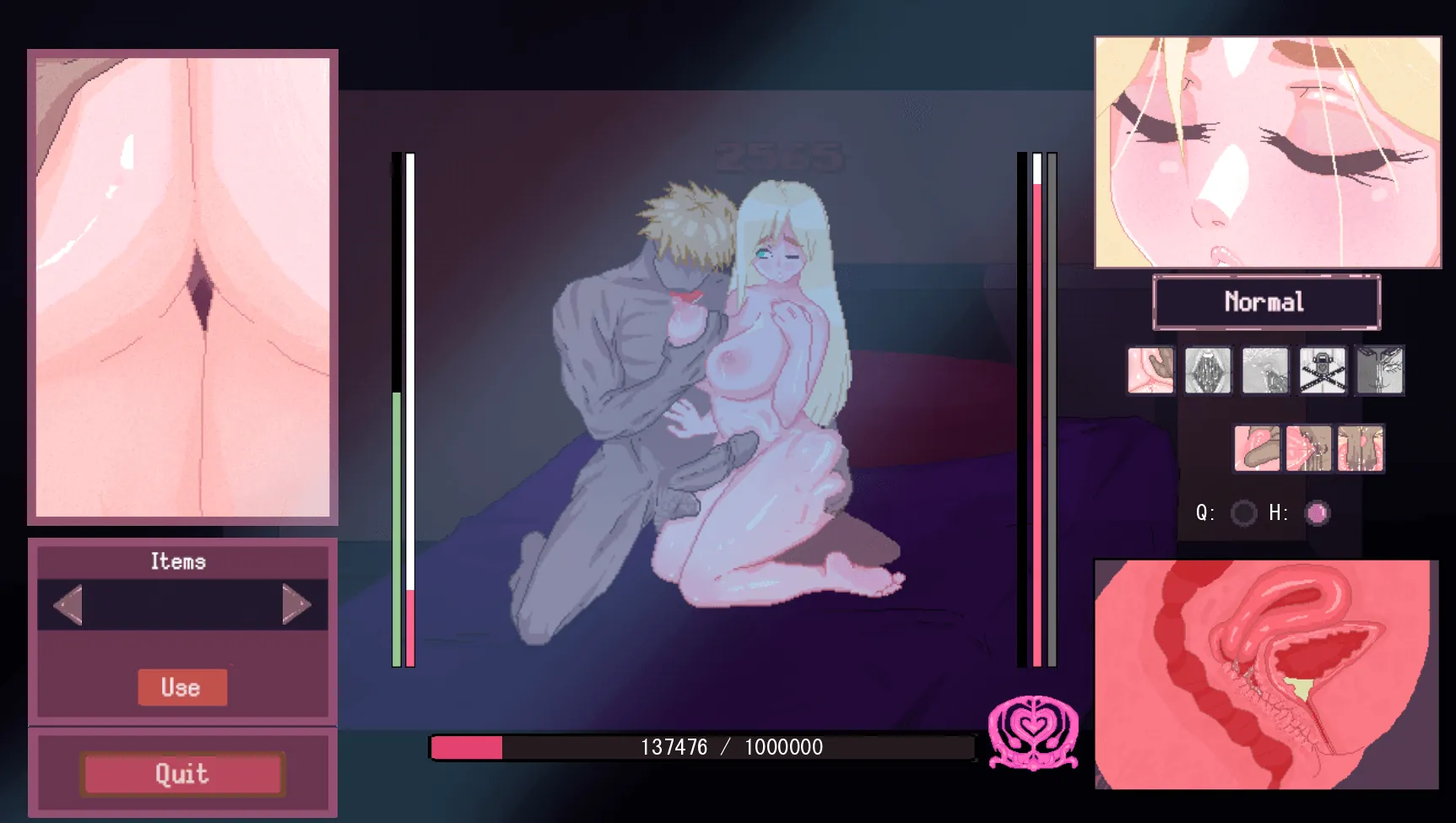
Companion of Darkness Screenshots



Companion of Darkness review
Exploring the Interactive Narrative Experience with Complex Storytelling
Companion of Darkness stands out as a captivating interactive game that combines rich narrative depth with engaging visual storytelling. This interactive experience has garnered attention for its complex factions, intricate political intrigue, and immersive animations that draw players into its world. Whether you’re interested in narrative-driven games or exploring interactive fiction, understanding what makes Companion of Darkness unique can help you decide if this game aligns with your preferences. This guide explores the key features, gameplay mechanics, and what players appreciate most about this distinctive interactive experience.
Understanding Companion of Darkness: Core Features and Gameplay
Let me tell you about the night I realized Companion of Darkness was more than just a game. I’d been navigating a tense conversation with Valerius, the enigmatic noble with shadows literally clinging to his form. The dialogue options pulsed on screen, each one feeling like a genuine fork in the road. I chose a line that was half-defiant, half-pleading, not sure how his volatile personality would react. His response wasn’t just text. His eyes, rendered with stunning detail, flickered with a mix of anger and something softer—regret, perhaps. A subtle, almost imperceptible animation of his hand twitching toward mine played out. In that moment, I wasn’t clicking through a story; I was living inside one. This is the magic at the heart of this interactive narrative game, and it’s what we’re going to unpack today. 🕯️
If you’re tired of games where your choices feel meaningless or the world is just a static backdrop, you’ve come to the right place. Companion of Darkness rebuilds the visual novel genre from the ground up, focusing on deep character development mechanics and a world that breathes and reacts. It’s an immersive storytelling experience that will linger in your mind long after you’ve put it down.
What Makes Companion of Darkness Stand Out
So, what separates this game from a shelf full of other narrative adventures? It isn’t just one gimmick or feature; it’s a harmonious blend of several core philosophies that create a uniquely compelling whole. At its foundation, Companion of Darkness gameplay is about connection and consequence. You play as a catalyst in a world teetering on the edge of a magical calamity, but the true journey is navigating the intricate, often flawed, hearts of the companions you meet.
The game masterfully avoids being a passive slideshow. Here are the key pillars that define the experience:
- A Living, Reactive Narrative: The story doesn’t just branch; it weaves. Early, seemingly casual decisions can resurface chapters later in unexpected ways, influencing character trust, available paths, and even the political landscape of the world.
- Depth Over Quantity: Instead of a dozen shallow side characters, you get a handful of profoundly developed companions. Each has a full arc, hidden depths, and personal conflicts that you can choose to engage with or ignore, shaping your own journey.
- Visuals as Storytelling: Every background, character sprite, and animation is loaded with narrative intent. A change in a character’s posture, the shift in lighting in a room, or the weather outside your window—all are deliberate tools used to tell the story alongside the text.
- Pacing with Purpose: The game understands the rhythm of a good story. It balances quiet, introspective moments of dialogue and exploration with intense, choice-driven climaxes, giving weight to both character development and plot progression.
My first playthrough was a mess, in the best possible way. 🤦♂️ I made choices based on my own impulsive heart, trying to save everyone and mend every broken relationship. The game, in its brilliant design, showed me the impossibility of that fantasy. Characters clashed, alliances I’d nurtured fell apart because of conflicting loyalties, and I was left with a bittersweet, deeply personal ending that felt uniquely mine. That’s the promise of this interactive narrative game: your emotional investment is the primary controller.
Visual Design and Animation Quality
Let’s address the elephant in the room first: the animation quality in games of this genre is often functional at best. Companion of Darkness shatters that expectation. This isn’t about flashy 3D combat; it’s about using motion to breathe soul into every pixel.
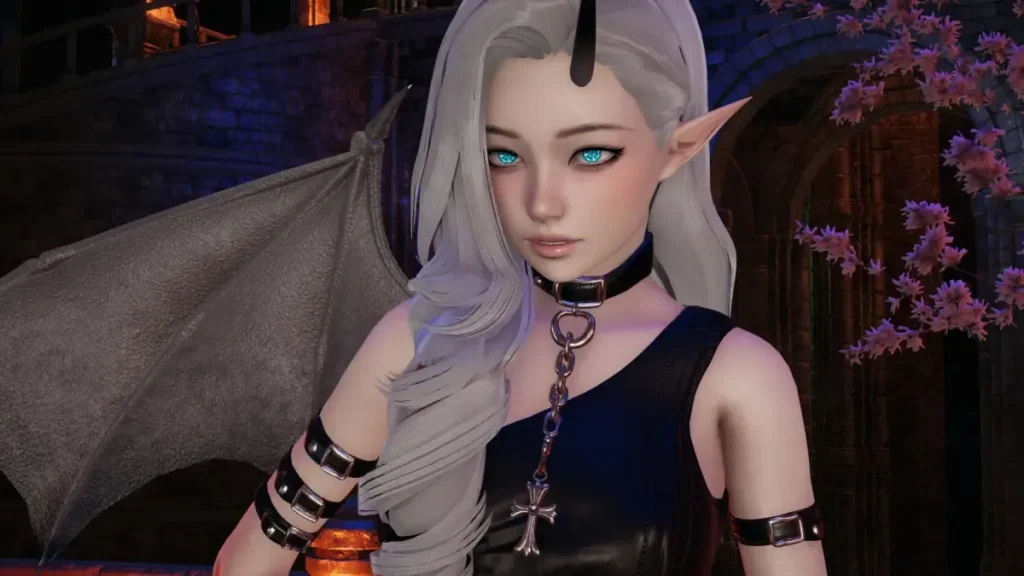
From the moment you start, the atmosphere is palpable. The art style is a gorgeous blend of painterly backgrounds and meticulously detailed character designs. The city of Lumenara feels lived-in, with lantern light flickering against wet cobblestones and distant, haunted forests that seem to pulse with a faint, ominous glow. But the true marvel is in the character expression.
We’ve all seen visual novels where a character “changes expression” by simply switching to a different static image. Companion of Darkness scoffs at this. It employs a sophisticated system of layered animations. A character’s smile might slowly fade as a painful memory is recalled, their eyes darting away. Valerius’s shadowy aura might writhe and intensify when he’s agitated. Kaelen, the weary knight, will subtly shift his weight and sigh, the weariness etched into his very posture. These are not canned loops; they are context-sensitive emotional cues.
This attention to detail creates an immersive storytelling experience that is unparalleled. You’re not reading about someone’s doubt; you’re seeing it play out in the micro-expressions on their face. I recall a scene where the scholarly Elara was explaining a complex magical theory. The text was dense, but I was completely locked in because her animation showed her genuine passion—her hands moved slightly as if tracing arcane symbols in the air, her eyes lit up with intellectual fire. The visual novel features here are elevated to cinematic levels.
The game’s interface is also a masterclass in thematic design. Your menu and dialogue boxes are framed with in-world artifacts—tarnished metal, glowing crystals, fragments of old parchment. Even saving your game feels like you’re etching a moment into the world’s memory. This relentless commitment to its aesthetic makes every session a plunge into its dark, beautiful world.
Narrative Structure and Player Choices
This is where the heart of Companion of Darkness gameplay truly beats. How does it structure its grand tale, and how much real control do you have? The answer is: more than you might think, and in more subtle ways than just “Good vs. Evil” buttons.
The narrative is broken into “Chronicles,” each focusing on a different facet of the overarching crisis and centering on a specific companion. However, your influence bleeds between them. A decision made in Valerius’s chronicle about how to handle a noble family’s secret could directly open or close diplomatic doors in Kaelen’s chronicle, which deals with military politics. This creates a web of story choices and consequences that feels organic and world-driven, not like a flowchart.
The dialogue system is the primary tool for this. You’re rarely given blatant “Lie/Truth” or “Kind/Cruel” options. Instead, you choose attitudes, tones, and philosophical approaches. Will you be “Diplomatic,” “Cynical,” “Empathetic,” or “Assertive”? These choices align with hidden relationship values and personality traits your character develops over time. Choosing consistently “Cynical” responses might make a jaded companion like Valerius trust you more, but it could alienate the idealistic Kaelen.
| Gameplay Mechanic | How It Works | Impact on Narrative |
|---|---|---|
| **Dialogue Tone Selection** | Choose your conversational approach (e.g., Empathetic, Logical, Sarcastic) instead of literal lines. | Builds hidden affinity with companions who value that trait; unlocks unique dialogue branches and character revelations. |
| **The Trust Nexus** | A hidden, evolving relationship meter for each companion, influenced by major and minor choices. | Determines if companions share critical backstory secrets, support you in crises, or potentially even betray you based on their own goals. |
| **Pivot Moments** | Key, timed decisions during intense story scenes that cannot be undone. | Creates major narrative branches, potentially altering which characters survive, which factions gain power, and the core theme of your ending. |
| **Exploration & Discovery** | Clicking on interactive elements in scenes to find lore items, letters, or environmental clues. | Provides optional but crucial context to the world and character motivations; can unlock special dialogue options later if you’ve “done your homework.” |
The character development mechanics are intertwined with this. You don’t just learn about the companions; you actively participate in their growth—or their downfall. By choosing to support a companion’s risky plan or challenge their deep-seated fears, you directly shape who they become by the story’s end. In one playthrough, I encouraged Elara to embrace a dangerous, forbidden aspect of her magic to save someone. It worked, but it fundamentally changed her, making her more powerful but also more isolated and feared. The consequence of that choice echoed through the rest of the game.
The lore is not dumped in textbooks; it’s unearthed. You’ll find fragments of history in discarded journals, overhear rumors in tavern backgrounds, and piece together the truth of the world’s decay through environmental storytelling. This makes the world-building feel earned and real. You become an archaeologist of a dying world, and the fragments you discover can directly inform your story choices and consequences. Knowing a secret historical fact might give you a unique, peaceful solution to a seemingly violent confrontation.
Ultimately, Companion of Darkness understands that player agency isn’t about controlling every outcome. It’s about owning your perspective and your relationships within a world that moves with or without you. It delivers a powerful interactive narrative game experience where you are the author of your own role within a grand, pre-written tragedy. Your choices don’t necessarily let you “win”; they determine what you value, who you save, and what legacy—and scars—you carry into the final, haunting shades of the ending. ✨
It’s a journey that demands your attention and rewards your emotional courage, proving that the most powerful stories are not just told, but lived.
Companion of Darkness represents a compelling entry in the interactive narrative gaming space, distinguished by its attention to visual storytelling, complex character relationships, and engaging plot development. Players consistently appreciate the game’s beautiful character design, immersive animations, and unique narrative approach that sets it apart from conventional interactive fiction. While the community has offered constructive feedback regarding audio enhancement and additional romantic content options, these suggestions reflect the game’s strong foundation and player investment in the experience. Whether you’re drawn to narrative-driven games with meaningful choices or appreciate the artistry of visual storytelling, Companion of Darkness offers a distinctive interactive experience worth exploring. Consider diving into this game if you value character-focused narratives and appreciate the craft of interactive entertainment.