Desert Stalker
Play Desert Stalker
Desert Stalker Screenshots


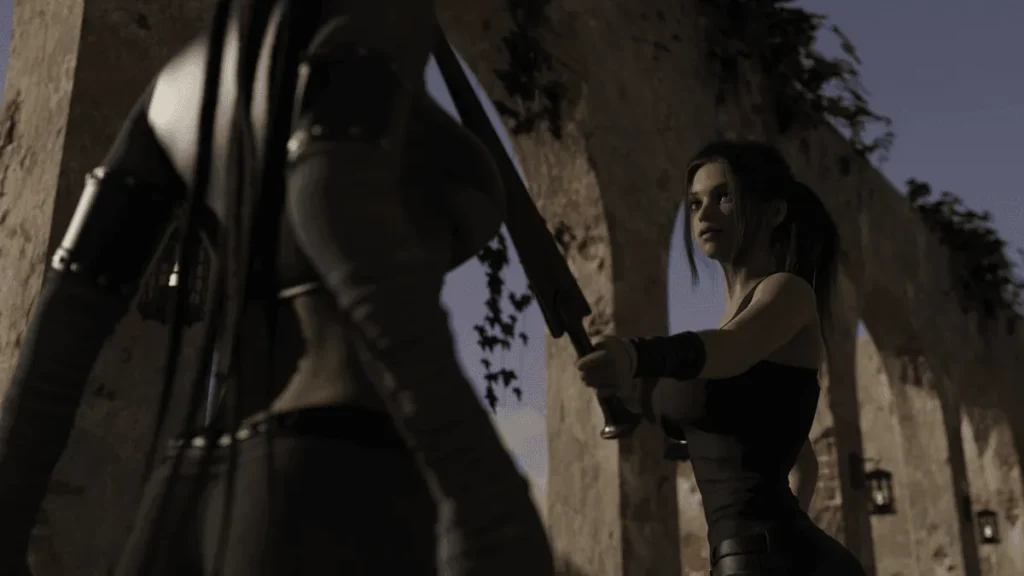

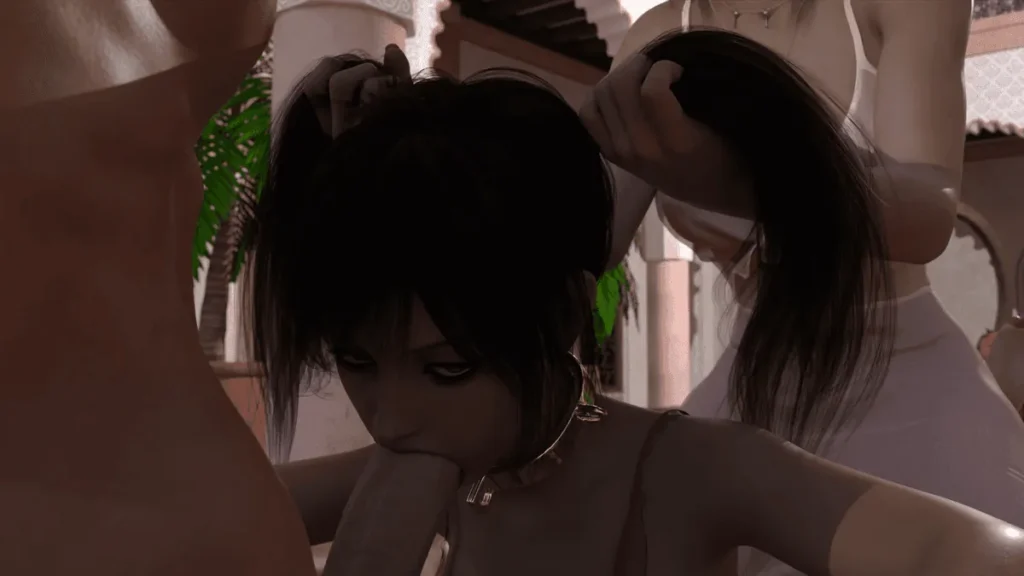
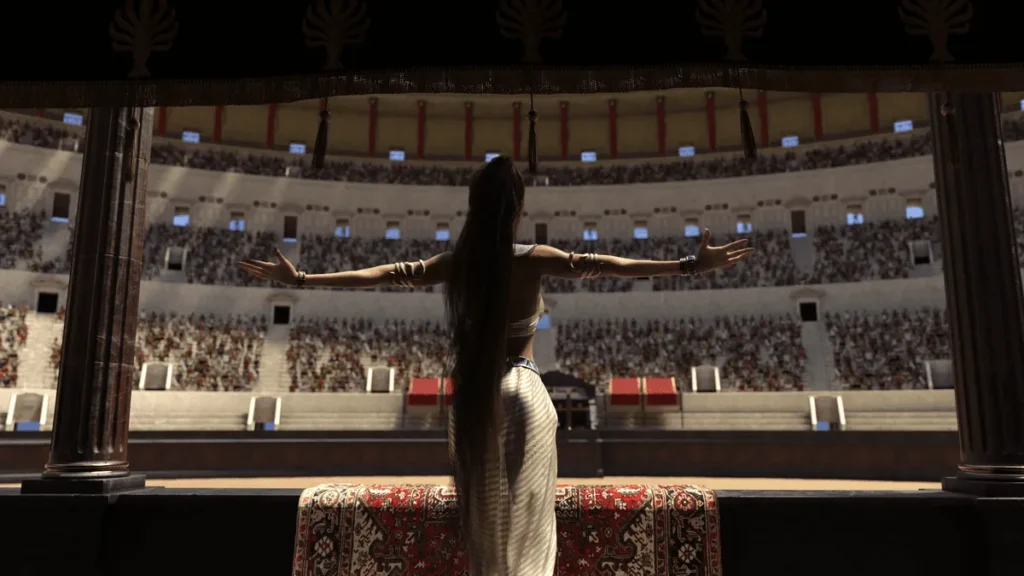
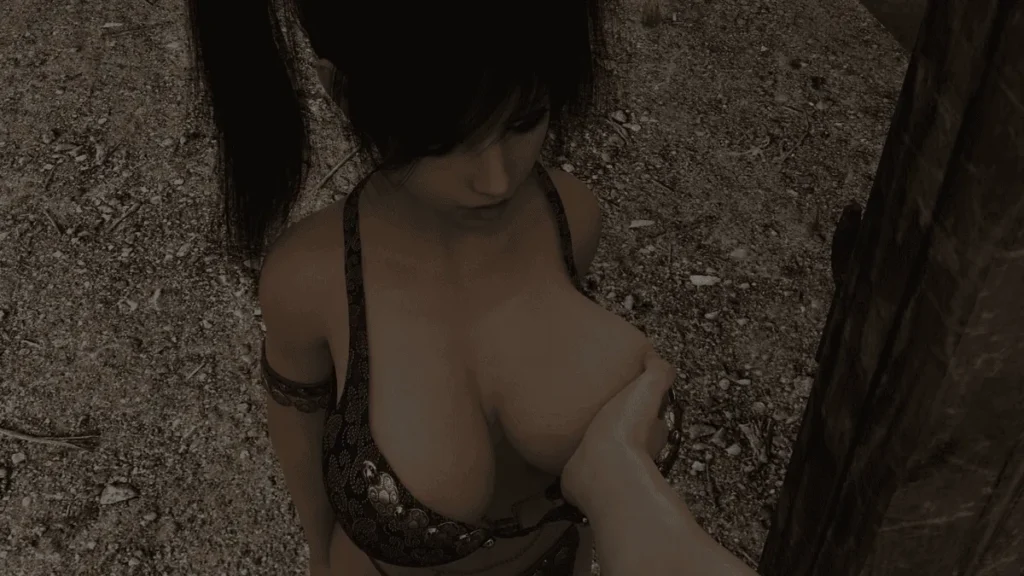

Desert Stalker review
Dive into gritty choices, harem dynamics, and immersive storytelling in this standout adult visual novel
Imagine scavenging the sun-baked ruins of post-apocalyptic Egypt, unearthing artifacts that could rewrite history, all while forging intense relationships in a world gone mad. That’s the thrill of Desert Stalker, the adult visual novel that’s hooked players with its blend of gritty survival, moral dilemmas, and steamy encounters. I first stumbled upon it during a late-night gaming binge, expecting just another title, but its rich narrative and player-driven choices kept me glued for hours. Whether you’re building a harem or playing the anti-hero, this game delivers consequences that hit hard. In this guide, we’ll explore everything from core mechanics to hidden gems, helping you dominate the wasteland your way.
What Makes Desert Stalker a Must-Play Experience?
Forget everything you think you know about visual novels. Seriously. If your experience is limited to high school romances or fantasy clichés, Desart Stalker is here to shatter those expectations with a fistful of sand and a dose of brutal, captivating reality. This isn’t just another game; it’s a raw, uncompromising plunge into a world where every choice weighs a ton and beauty exists alongside utter devastation. 🏜️
So, what is Desert Stalker about at its core? You step into the worn boots of a Stalker, a scavenger and survivor in a post-apocalyptic Egypt that has been utterly transformed. The pyramids still stand, but as silent witnesses to a new, gritty order. Your life revolves around exploring ruins, bartering in dusty settlements, and making decisions that will define not just your character, but the fate of those around you. It’s a Desert Stalker game built on atmosphere, consequence, and a story that grips you and doesn’t let go.
I remember booting it up for the first time, expecting one thing and getting something entirely different. The initial freedom is intoxicating. You can explore, talk to characters, and feel the world breathe. But then I hit Shani’s content in the early zones. 😳 Without spoiling anything, it presented a situation that was morally complex, emotionally charged, and completely unflinching. One moment I was making a strategic choice, the next I was genuinely pausing, my cursor hovering over the dialogue options, because I felt the real weight of the potential outcomes. That’s the Desert Stalker storyline in a nutshell: it makes you feel, whether it’s tension, desire, protectiveness, or grim satisfaction.
Unpacking the Post-Apocalyptic Setting and Storyline
The genius of Desert Stalker begins with its setting. A post-apocalyptic Egypt is a stroke of brilliance. We’re not in a generic American city or European forest; we’re in a land of ancient history now layered with a futuristic catastrophe. 🐫 This fusion creates a unique aesthetic where you might be salvaging a high-tech artifact from a Pharaonic tomb or negotiating with a tribe whose traditions are woven with relics of the Old World.
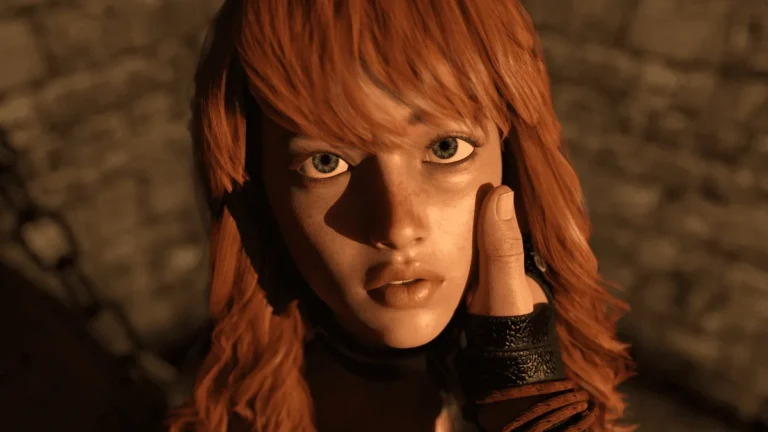
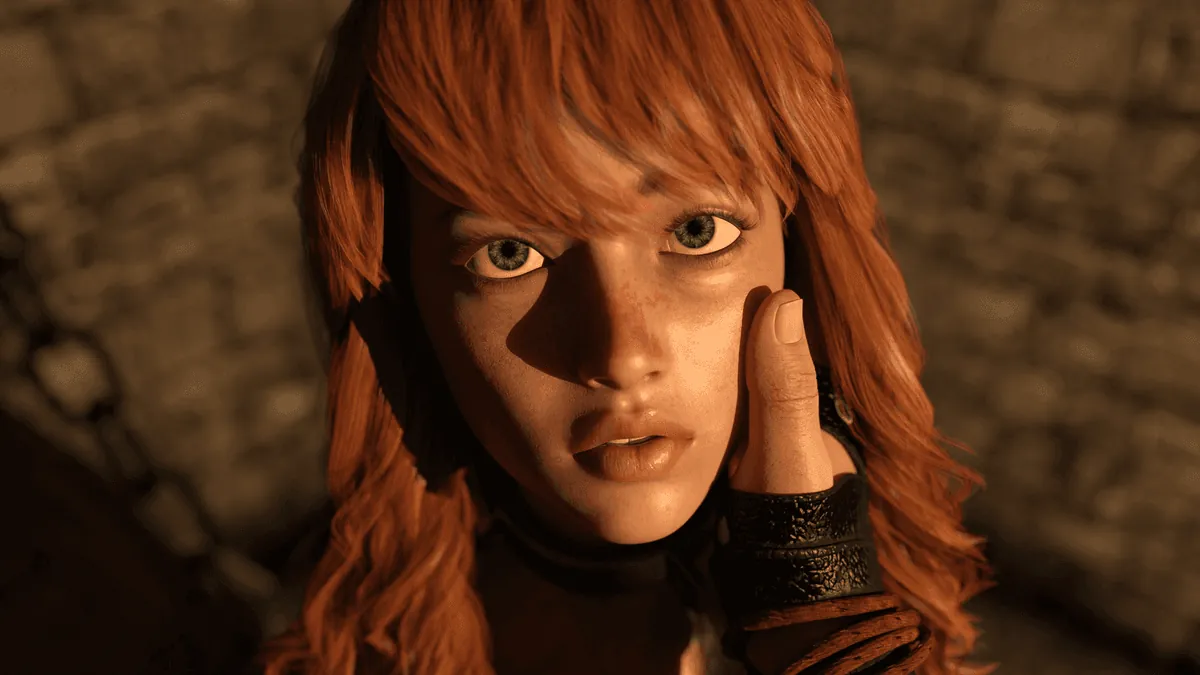
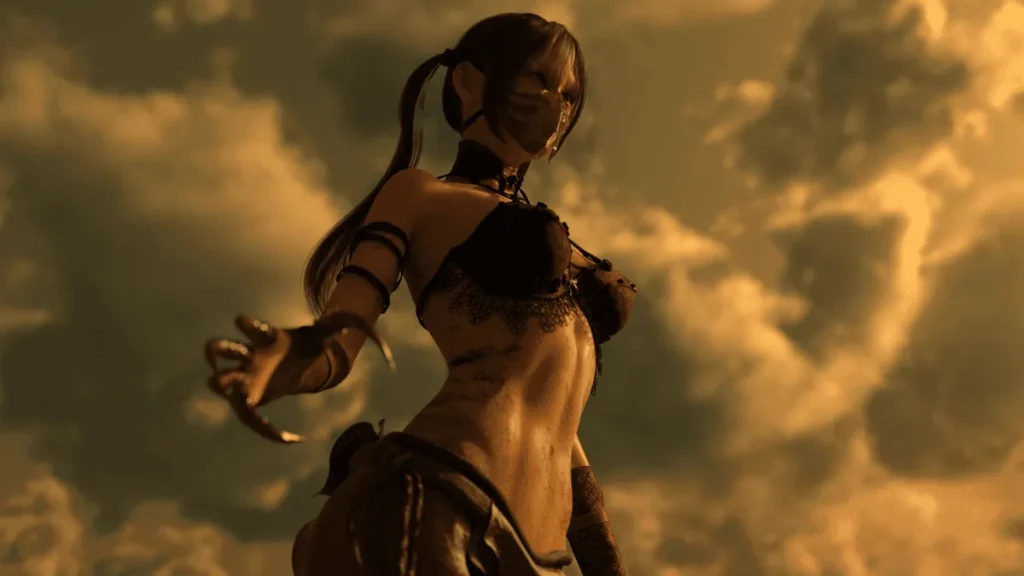
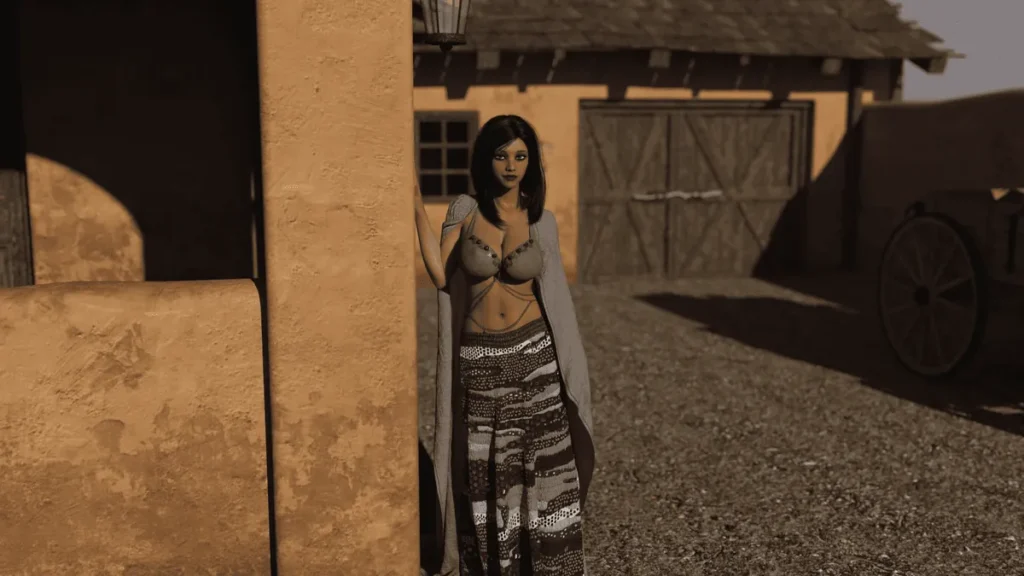
The Desert Stalker narrative review from most players consistently praises this worldbuilding. The game doesn’t just tell you it’s a wasteland; it shows you through stunning, polished renders of sun-bleached ruins, bustling, precarious oasis settlements, and the quiet, haunting beauty of the desert at night. The music and sound design are impeccable, shifting from tense, rhythmic tracks during exploration to cinematic, emotional scores during key story beats. This commitment to immersion is what separates it from the pack.
You’re not a chosen one prophesied to save the world. You’re a skilled opportunist, an anti-hero by circumstance. The core loop of this Desert Stalker game is a masterful mix. The main story is a compelling, linear thread about uncovering the mysteries of the cataclysm and powerful artifacts. But woven around it is a generous sandbox of free-roam quests and character interactions. The best part? There’s no grinding. Your progress is tied to your choices and story advancement, not to repetitive tasks. You explore because you want to see what’s over the next dune, talk to someone because their story intrigues you, not because you need to farm 10 wolf pelts.
Key Choices: Dominate or Save the Wasteland?
This is where the soul of the Desert Stalker storyline truly lives. The game presents you with a stark spectrum of morality, famously framed by the community as the option to be a “Knight,” a “Killer,” or something in between. These are your anti-hero choices in Desert Stalker.
Will you use your strength and position to dominate, taking what you want through intimidation or force? Or will you seek to protect and save, building alliances through compassion and fairness? Or, most realistically, will you be a pragmatic mix of both, helping those who earn your loyalty and crushing those who stand in your way? The game never judges you outright. It simply presents the consequences, which can be immediate or ripple out chapters later.
Pro Tip: There’s no single “right” way to play. Your first playthrough should be instinctive. Go with your gut reactions to characters and situations. You’ll create a unique story that feels authentically yours.
These choices directly fuel two of the game’s central pillars: harem dynamics and relationship building. The connections you form, from tender and romantic to fiercely possessive or purely strategic, are built on the foundation of your actions. You can’t be a brutal warlord to everyone and expect to cultivate gentle, trusting relationships. The characters remember. They react.
To help you plan your path, here’s a breakdown of the core narrative approaches:
- 🚀 The Domination Path: Embrace power and control. This path focuses on asserting your will, often through forceful means. It leads to relationships built on submission and authority, and can unlock content and shortcuts that a more diplomatic route might not.
Pros: Feeling of immense power, access to certain exclusive scenes, faster resolution to some conflicts.
Cons: Can lock you out of deeper emotional connections, may create powerful enemies, leads to a lonelier, more austere ending vibe. - ✌️ The Salvation Path: Focus on protection and alliance-building. You become a pillar (however reluctant) for others. Relationships here trend toward mutual respect, romance, and deep loyalty.
Pros: Richer emotional payoffs, stronger alliances for end-game, a sense of building something good in the ruins.
Cons: Can feel slower, requires more resource management to help others, you may miss out on the “thrill” of ruthless conquest. - 💖 The Harem Focus: A player-driven goal that can be approached from either of the above angles. This is about consciously cultivating multiple, sustained relationships. It requires careful choice management, as jealousy and conflict can arise.
Pros: Maximizes romantic and intimate content, creates a complex web of character interactions, highly rewarding for players who enjoy social strategy.
Cons: Requires meticulous attention to character-specific quests and flags, can dilute the intensity of the main plot if not balanced.
Let me give you a story. In one playthrough, I entered the arena, a brutal gladiatorial pit. My goal was to win to gain a key ally’s favor. The obvious anti-hero choice in Desert Stalker was to be ruthless, to finish off opponents to sow fear. But the opponent I faced was someone I’d encountered earlier—a desperate father trying to win medicine for his sick child. The game presented the option to dominate and kill, or to win with mercy and spare him. Choosing mercy felt contradictory to the bloody arena’s purpose, yet it later opened a side-quest where that man became a loyal informant. The game constantly throws these nuanced dilemmas at you.
Why the Narrative Keeps You Coming Back
You might start playing Desert Stalker for its undeniable visual polish and adult themes. But you’ll stay because the writing and characters hook you deep. This is the most common sentiment in the community, and it’s 100% true. The Desert Stalker narrative review is glowing for a reason.
The characters are not mere collectibles; they have histories, motivations, and flaws. Your interactions with them feel meaningful because they change based on your history together. A tender moment with a character after you’ve defended them carries real weight. The so-called “harem dynamics” aren’t a shallow checklist; they are evolving stories of trust, power, love, or mutual need. The Desert Stalker storyline understands that intimacy is a narrative tool, not just a reward.
The atmosphere is relentless. From the peaceful solitude of your home base to the tense, dialogue-heavy confrontations in a rival’s tent, the game maintains a tight grip on your attention. The cinematic sequences are the payoff for your journey, making you feel like the star of a premium post-apocalyptic series. The developers’ effort is evident in every polished render, every smooth animation, and the incredibly intuitive interface that makes managing your world a breeze.
And for those concerned about content? The game respectfully includes robust optional content filters. 🛡️ You can tailor the experience to your comfort level, adjusting the intensity of certain mature scenes. This level of personalization is a testament to the developer’s understanding of their diverse audience—it invites you in for the story and lets you decide how much of the gritty detail you want to engage with.
I’ll leave you with a quote I see echoed constantly by players, which perfectly captures the Desert Stalker experience:
“I downloaded it for the visuals, but I restarted it for the story. I found myself saving before major choices not to see a different scene, but because I was genuinely worried about hurting a character’s feelings or ruining a hard-earned trust. I stayed for the people in the pixels.”
That’s the magic. Desert Stalker is more than a game; it’s a narrative sandbox where you write a brutal, beautiful, and deeply personal saga in the sands of a forgotten Egypt. Your wasteland awaits, Stalker. Choose your path.
Desert Stalker isn’t just another adult visual novel—it’s a gripping tale of choices, survival, and desire in a ruined world that adapts to you. From free-roam quests and harem dynamics to emotionally charged scenes and stunning visuals, it delivers immersion few games match. My own dives into its paths left me rethinking every decision, balancing grit with passion. Whether you crave domination, heartfelt bonds, or spicy variety, this title has it all. Grab it on Itch.io or Steam, tweak those filters, and step into the wasteland today—your legend awaits.