
Dungeon Days
Play Dungeon Days
Dungeon Days Screenshots






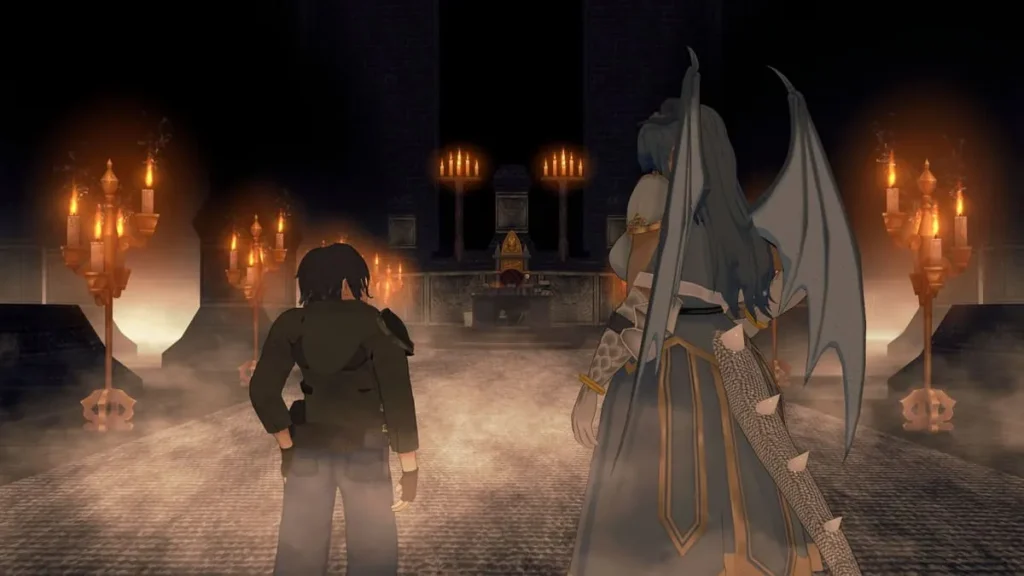

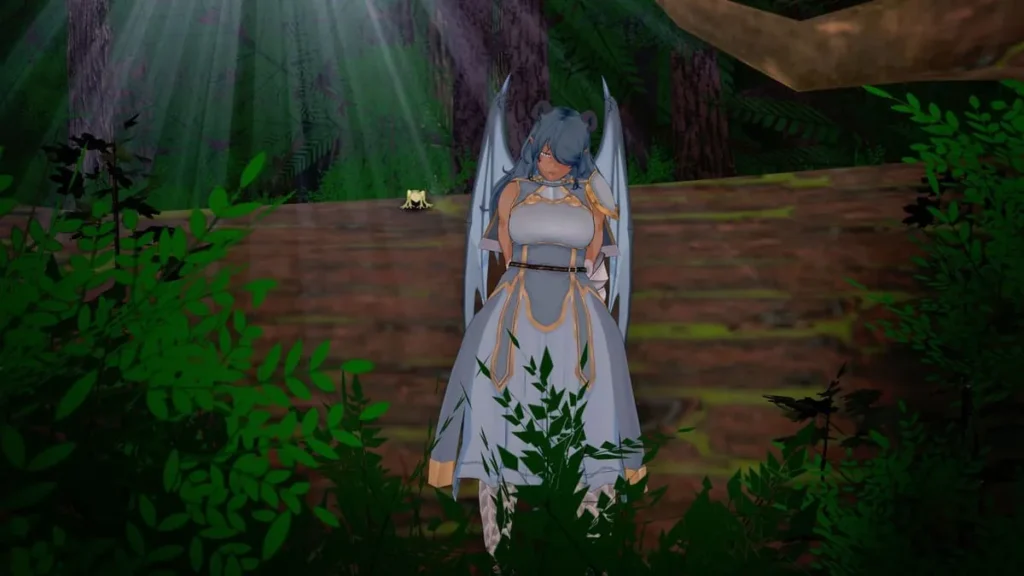
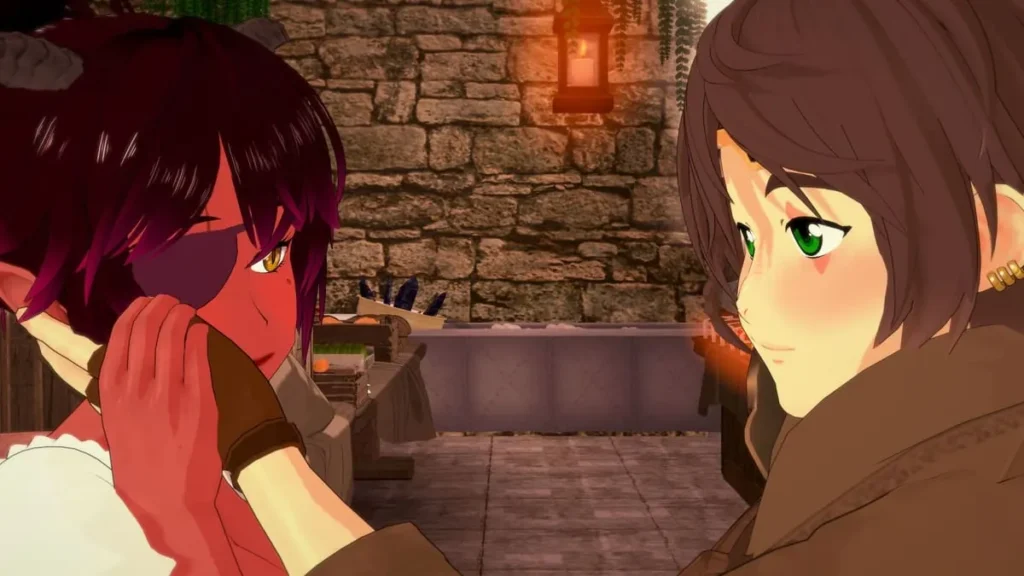

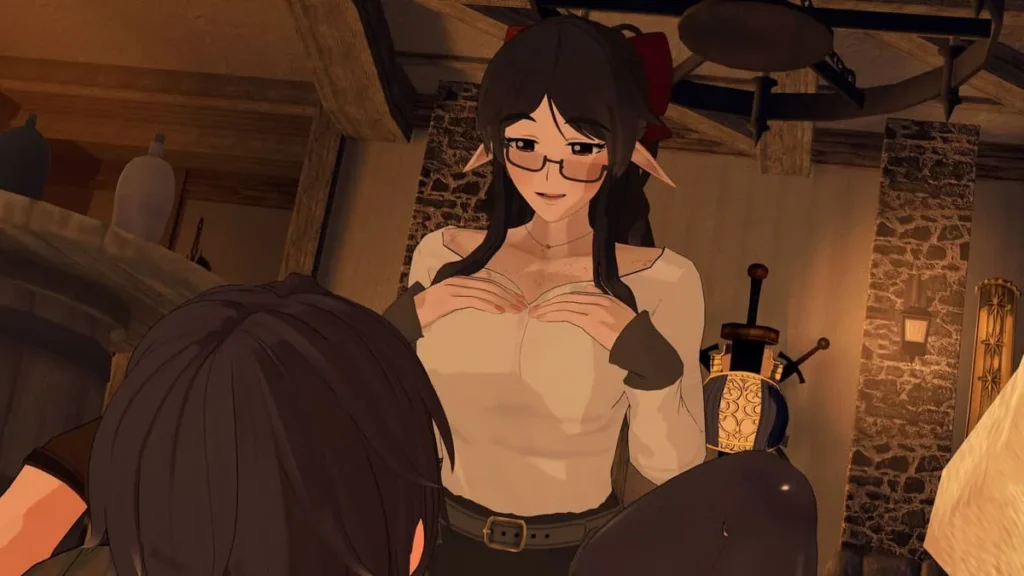




Dungeon Days review
Explore immersive quests, dynamic choices, and thrilling encounters in this standout title
Imagine diving into a vast underground realm where every decision shapes your journey in Dungeon Days. This captivating adult game from Abnormalsoftware blends deep exploration, reactive storytelling, and steamy interactions that keep you hooked for hours. From sprawling maps packed with secrets to NPCs who remember your every move, Dungeon Days delivers a personalized adventure unlike any other. Whether you’re a fan of dungeon crawlers or seeking bold adult entertainment, this guide uncovers what makes it a must-play. Let’s step into the shadows and reveal its core appeal.
What Makes Dungeon Days Stand Out in Adult Gaming?
I remember the exact moment Dungeon Days clicked for me. I’d rolled a character I thought was clever, a smooth-talking rogue, and strolled into the first tavern expecting the usual barkeep monologue. Instead, the publican looked me up and down, noted the mud on my boots from a fight I’d had on the road, and said, “Looks like you’ve already had a rough night. The strong stuff, or are you still working?” I was floored. 🎭 The game wasn’t just reading lines; it was seeing me. That’s the magic trick at the heart of this adult dungeon crawler—a world that feels alive, watches you, and changes because of you.
This isn’t your average quest grind. Dungeon Days gameplay is built on a foundation of consequence and discovery, where every dialogue choice, every explored alley, and every fought (or avoided) battle ripples outwards. It’s what makes coming back for another playthrough not just fun, but essential. You haven’t really seen it all until you’ve seen how it can all fall apart… or come together.
How Does Reactive Dialogue Transform Your Playthrough?
Forget choosing between “Good,” “Neutral,” and “Sarcastic” responses. The reactive dialogue system in Dungeon Days is a masterclass in immersion. NPCs don’t just have set lines; they have memories, biases, and eyes. That reactive world Dungeon Days creates is built on systems that track your reputation, completed quests, equipped gear, and even your past conversations.
- Wear the insignia of the Riverwardens? A bandit might try to bribe you to look the other way, while a local farmer will thank you for your service.
- Repeatedly help the Alchemist’s Guild? Their rivals in the Mage’s Tower will be frostier, offering worse prices for components.
- Walk into a noble’s party dressed in full, blood-spattered plate armor? The guests will gossip nervously, and your dialogue options will shift to reflect their intimidation (or disdain).
This goes beyond flavor text. It directly opens or closes quest paths, unlocks unique barter options, and can turn potential enemies into uneasy allies. It makes your character feel like a real entity in the world, not just a cursor clicking on glow-y objects. 🗣️
Pro Tip: Your gear is part of your dialogue! Experiment with wearing different faction armor or displaying powerful trophies before key conversations. You might be surprised at the new options that appear.
To see just how deep this rabbit hole goes, let’s compare it to the standard fare.
| Feature | Typical Adult Game | Dungeon Days | Player Impact |
|---|---|---|---|
| Dialogue System | Branching but static; choices lead to set paths A, B, or C. | Reactive & Contextual; NPC responses adapt to reputation, gear, past actions, and world state. | Creates a unique, personal story for every player. Makes the world feel alive and responsive. |
| World State | Mostly static. Quests are checkboxes; towns don’t change. | Dynamic & Evolving. Towns can be rebuilt or ruined, factions rise and fall based on player decisions. | Your actions have lasting, visible consequences. Drives immense replay value to see different outcomes. |
| Exploration | Often segmented with loading screens. Secrets are usually chests behind false walls. | Seamless & Integrated. No loading between zones. Secrets are environmental puzzles or narrative clues. | Enhances immersion and rewards player curiosity. The world feels like one continuous, believable space. |
Why Is Seamless Exploration a Game-Changer?
One of the most underrated Dungeon Days features is how it handles space. There are no loading screens between the haunted forest and the decaying manor within it, or from the bustling city streets down into the sewers below. This seamless design isn’t just a technical flex; it’s a core part of the immersion. You can hear the distant sounds of the market as you descend, or see the glow of fungal growth from a cave mouth as you trek through the woods. It makes the world feel tangible and whole.
This philosophy extends to the Dungeon Days exploration secrets. The game doesn’t use glowing exclamation points or giant, obvious “CLIMB ME” vines. Instead, it respects your intelligence.
* A slightly discolored brick in a castle wall might be loose, hiding a smuggler’s stash.
* Reading a diary in a bandit camp could hint that their leader is terrified of the old statue in the gorge—interacting with it might just give you a tactical advantage in the coming fight.
* Overhearing a conversation about the “king’s old escape route” could lead you to scrutinize the tapestry behind his throne.
Finding these isn’t about pixel-hunting; it’s about paying attention to the environment and the story being told within it. The Dungeon Days gameplay loop of “see, wonder, investigate, discover” is incredibly rewarding. It turns every corner into a potential story. 🔍
What Role Do Dynamic Choices Play in Immersion?
This is where everything converges. How Dungeon Days choices affect story isn’t a minor side-note; it’s the main plot. The game operates on a “playstyle gravity” system. Your actions subtly push the world’s factions and communities toward certain states.
Let me give you two stark examples from my playthroughs:
* The Heroic Path: Early on, I spent time and resources helping a village fend off gnoll raiders. I didn’t just kill the gnolls at the gate; I hunted their camp, forged an alliance with a local druid to secure their borders, and invested my gold in the village palisade. Ten hours later, that village had become a thriving trade stop. The shopkeeper gave me a “hometown hero” discount, new quests to protect the trade routes appeared, and recruits from the village joined my cause. My choice to help created a bastion of safety.
- The “Focused” Path: On another run, I was playing a mercenary solely interested in coin and power. When the same village begged for help, I dismissed them. I had a lead on a valuable artifact and didn’t have time. Later, when my quest forced me back that way, the village was a smoldering ruin. The shop was looted, the quest givers were gone, and the only life was scavengers picking through the debris. My choice to ignore created a vacuum of despair.
These aren’t just “endings.” They are mid-game world states that then open up entirely new narrative branches and challenges. This dynamic system is the pinnacle of Dungeon Days unique mechanics. It ensures that your journey is yours. Want to see what happens if you play all sides against each other? Or unite everyone against a common foe? The game not only allows it but builds its story around your methodology. ⚖️
The genius is that these Dungeon Days features—reactive dialogue, seamless exploration, and dynamic choices—feed into each other. Your exploration finds secrets that give you leverage in dialogues. Your dialogue choices alter faction relationships, which changes which areas are safe or hostile to explore. It’s a breathtakingly coherent loop that makes Dungeon Days gameplay consistently fresh and deeply personal. You’re not just playing a story; you’re authoring it with every step you take and every word you speak.
Dungeon Days Standouts: Quick FAQ
Q: What kind of hidden secrets should I look for while exploring?
A: Think environmentally and narratively! Look for loose stones, readable notes that mention specific locations, unusual environmental features (like a single marked tree in a forest), and listen closely to NPC gossip. The Dungeon Days exploration secrets are woven into the world’s logic.
Q: How dramatically do choices impact the endings?
A: There isn’t one “ending” with slight variations. How Dungeon Days choices affect story is cumulative. Your major decisions determine the state of key factions, towns, and characters by the final act, leading to completely different final missions, allies, and epilogues. It’s about the world you’ve built, not just a final cutscene.
Q: Is the “adult” content just tacked on, or is it part of the story?
A: In this adult dungeon crawler, mature themes and content are integrated into the world-building and character relationships. They are outcomes of choices, reputations, and alliances, not isolated minigames. It feels like a natural part of the world and your character’s journey within it.
Q: How replayable is it really?
A: Extremely. With the reactive world Dungeon Days offers, a different character build (a diplomat vs. a brute) will unlock different dialogue and solutions. But more importantly, making different core moral and faction choices will lead you to discover entirely new locations, questlines, and world states you never saw before. It’s designed for multiple journeys.
Dungeon Days masterfully combines thrilling exploration, meaningful choices, and immersive adult elements into an unforgettable experience. From reactive NPCs to evolving worlds, it rewards every decision with depth and excitement. If you’re ready for an adventure where your actions truly matter, dive in today—download it, explore those hidden depths, and share your wildest stories in the comments. Your next epic tale awaits just beyond the dungeon door.