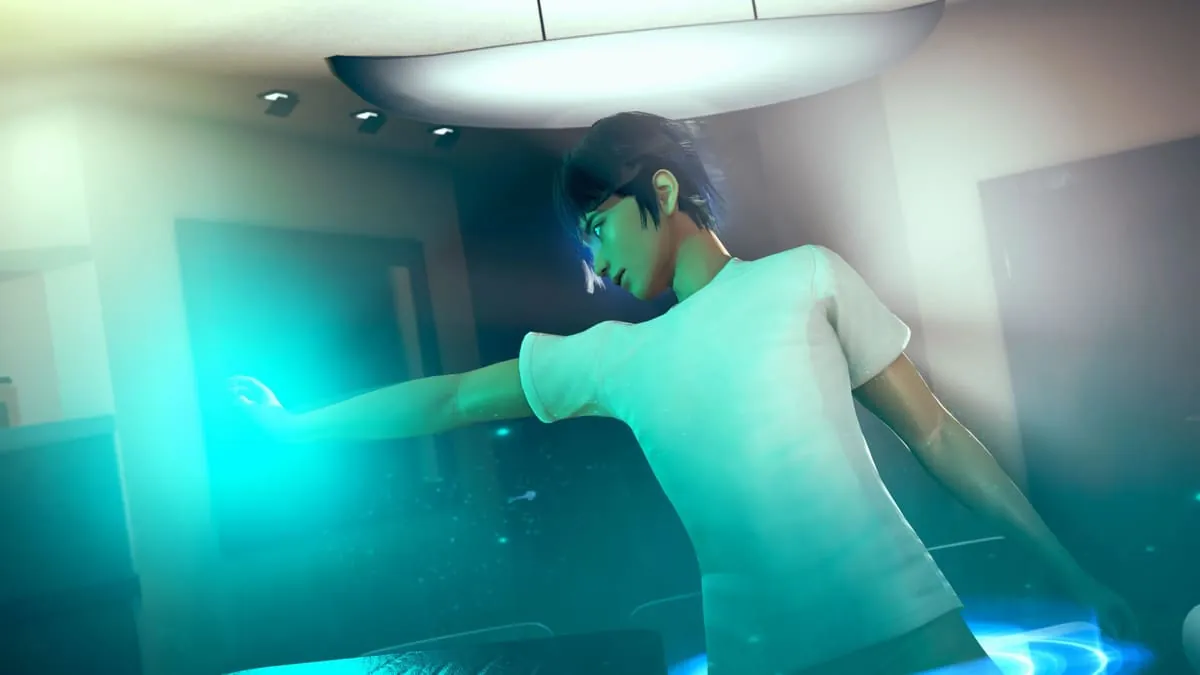
Meeting
Play Meeting
Meeting Screenshots




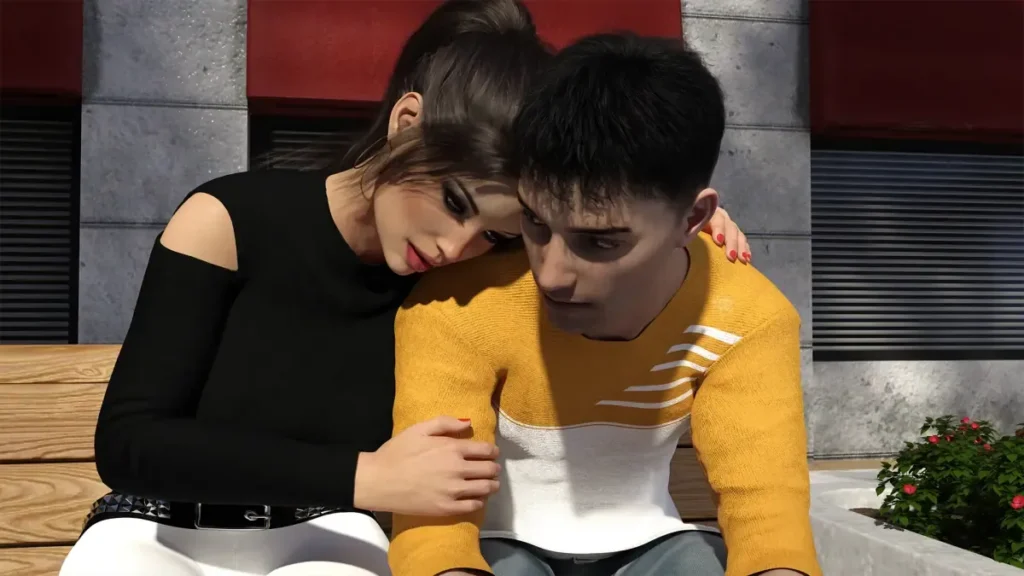

Meeting review
Exploring the intersection of friendship, virtual worlds, and digital experiences
The Meeting game represents a fascinating exploration of how virtual reality can reshape human connections and relationships. This innovative title delves into the complexities of friendship, intimacy, and identity within digital spaces. As virtual reality technology continues to evolve, games like Meeting push boundaries by examining what happens when real-world relationships intersect with immersive digital experiences. Whether you’re interested in narrative-driven games, virtual reality innovations, or the psychological aspects of digital interactions, this comprehensive guide explores every facet of this groundbreaking title.
Understanding the Meeting Game: Narrative and Core Concept
Remember that friend from years ago? The one you shared everything with, but life just… got in the way? You might catch up over text or a clumsy coffee, but what if you could reconnect not as your older, maybe-wearier selves, but as anyone—or anything—you wanted? That’s the powerful, messy premise at the heart of “Meeting”, a standout story that uses the lens of a virtual reality relationship game to ask some of the most uncomfortable questions about friendship, desire, and who we are when no one in the “real” world is watching. 🎮
This isn’t just a tale about tech; it’s a raw look at the human heart in a digital age. At its core, the Meeting game narrative forces us to confront a simple, terrifying idea: what happens when a virtual experience feels more real, more intimate, than your actual life?
The Story Behind Two Friends in Virtual Reality
The Meeting game plot begins with a familiar scene of adult stagnation. Danny is settled—a nice house, a stable marriage to his wife Theo, and a routine that’s comfortable but quietly suffocating. His old college friend Karl, by contrast, seems to live a flashier, single life. On Danny’s birthday, Karl gifts him a piece of their shared past: a cutting-edge virtual reality version of Striking Vipers, the fighting game they used to play for hours.
At first, it’s just nostalgia. They log in, choosing hyper-powered avatars—Lance and Roxette—and duke it out in a digital arena. The Striking Vipers game is their playground. But one night, after a match, something shifts. In the quiet after the fight, their avatars share a moment that crosses an unspoken line: a kiss. This isn’t a glitch or a joke. It’s a conscious, mutual step into uncharted territory.
From there, their sessions in the Striking Vipers game change completely. They meet solely to explore this new, virtual intimacy in games. Their connection as Danny and Karl fades into the background, replaced by the intense, private world of Lance and Roxette. For Danny, this creates a seismic rift in his real world. He becomes withdrawn, distant from Theo, obsessively waiting for his next VR session. The game is no longer an escape; it’s a competing reality.
“It’s only you. It’s only with you. I tried it with other people and it’s nothing. It’s just blank.”
This confession from Karl to Danny is the emotional atom bomb of the story. It clarifies that what they’re experiencing isn’t just about the novelty of VR or anonymous gratification. It’s a specific, irreplicable virtual reality friendship exploration that has somehow deepened into something profoundly consequential.
The narrative pushes this to its logical, painful climax: a real-life meeting. They decide to see if the lightning-in-a-bottle connection of their virtual reality relationship game can survive in a physical room. The result is heartbreakingly awkward. A hesitant, clumsy kiss in Karl’s apartment only confirms the truth—the magic was inextricably tied to the digital fantasy. The avatars, Lance and Roxette, were the vessel for a pure, uninhibited emotional exchange that their real-world identities, with all their baggage and biology, cannot replicate.
| Stage | Danny’s Real-World State | Virtual World Activity | Key Emotional Shift |
|---|---|---|---|
| Reconnection | Complacent but unfulfilled in marriage | Playing *Striking Vipers* for nostalgic fun | Nostalgia & Camaraderie |
| Discovery | Starting to withdraw, secretive about VR | The first intimate encounter as Lance & Roxette | Confusion & Forbidden Excitement |
| Addiction | Distant from Theo, obsessed with next session | Regular, intense virtual meet-ups | Guilt & Real-World Neglect |
| Confrontation | Marriage in crisis, forced to explain | Karl’s confession about the uniqueness of their connection | Clarity & Emotional Risk |
| Climax | Seeking a “real” answer to a virtual feeling | Attempting to translate the connection to physical reality | Disillusionment & Acceptance |
How Virtual Reality Transforms Relationships
“Meeting” brilliantly uses its sci-fi premise to act as a pressure cooker for human emotion. A virtual reality relationship game like the one depicted isn’t just a new way to hang out; it’s a laboratory for identity. In the real world, we are bound by our bodies, our histories, and societal expectations. Danny is a husband. Karl is a bachelor. Those roles come with scripts.
But inside the Striking Vipers game, those scripts are burned. 🕹️ As Lance and Roxette, they are freed from every constraint. This is the central power of the Meeting game narrative: it demonstrates that VR can create a space for a pure, context-less connection. The intimacy that blooms isn’t between two men who have a complicated past; it’s between two digital beings who exist only in the present moment of feeling.
This transformation exposes the often-unspoken rules of our real-world relationships. Danny’s marriage to Theo is loving, but it’s built on a foundation of shared bills, household chores, and the gentle wear of time. His connection with Karl-as-Roxette has none of that baggage. It’s all high-stakes emotion and sensory experience, making the daily realities of his life seem dull by comparison. The story asks: is it fair to compare the two? Can the intense, curated passion of a virtual reality friendship exploration ever be a meaningful yardstick for a full, shared life?
The genius of the Meeting game plot is that it doesn’t villainize the technology or the desire. Instead, it shows VR as a mirror, reflecting back the unmet needs and unexplored parts of ourselves. Danny isn’t necessarily gay or transgender; he’s human, craving a type of raw connection and freedom that his settled life does not provide. The virtual intimacy in games becomes the only language through which that need can be expressed, highlighting a gap in his real-world emotional vocabulary.
The Emotional Complexity at the Heart of the Game
Beyond the tech, the true mastery of “Meeting” lies in its refusal to give easy answers. This is not a story about right or wrong, but about the confusing, often contradictory landscape of the human heart. 😔 The Meeting game characters are all sympathetic, all hurting, and all navigating a situation with no rulebook.
Let’s start with Danny. His journey is a masterclass in silent turmoil. He loves Theo, but he’s addicted to the feeling he gets in the game. He’s not trying to be hurtful; he’s profoundly lost, caught between a tangible reality and a more compelling digital truth. His guilt is palpable, but so is his yearning.
Karl, often seen as the instigator, is arguably more vulnerable. His confession—that the connection is unique and unrepeatable with others—reveals a deep loneliness. For him, the Striking Vipers game isn’t a game at all; it’s the site of his most authentic emotional relationship. The risk he takes by making their virtual intimacy explicit is enormous.
Then there’s Theo, the collateral damage. Her pain is the anchor to the real world. She hasn’t done anything wrong, yet her marriage is being dismantled by an enemy she can’t see or understand—a virtual reality relationship game. Her ultimate, heartbreaking proposal at the end (suggesting an arranged night for Danny to play the game, so she can have a night for herself) is a radical, painful form of adaptation. It’s not approval; it’s survival, an attempt to save the real-world structure of their lives by making space for an unmanageable virtual truth.
The story’s setting and casting, filmed in Brazil with an all-black main cast, subtly deepen these themes. It places this futuristic dilemma within a specific, grounded cultural context, reminding us that these questions of identity and connection are universal, transcending any single demographic while being richly informed by the characters’ lived experiences.
In the end, the Meeting game narrative leaves us with a lingering question, not about technology, but about ourselves. Can we separate the feeling of connection from the form it takes? If an experience in a virtual reality friendship exploration generates real emotion, real joy, and real confusion, is it any less “real”?
The story suggests that as our digital and physical worlds continue to merge, our old definitions of intimacy, friendship, and even self might just shatter. And from those pieces, we’ll have to build something new—something that acknowledges that the heart, sometimes, finds its home in the most unexpected places, even inside a Striking Vipers game. 🌌
The Meeting game stands as a thought-provoking exploration of how virtual reality can fundamentally alter our understanding of relationships, intimacy, and human connection. Through its compelling narrative centered on two friends navigating the blurred lines between virtual and physical experiences, the game challenges players to consider the authenticity of digital interactions. The title’s examination of whether virtual connections can rival real-world intimacy remains deeply relevant as technology continues to evolve. By presenting these complex themes through engaging storytelling and immersive gameplay, Meeting contributes meaningfully to conversations about the future of human relationships in increasingly digital worlds. Whether you’re a gamer, technology enthusiast, or someone interested in contemporary narratives exploring digital culture, this game offers valuable insights worth experiencing and discussing.