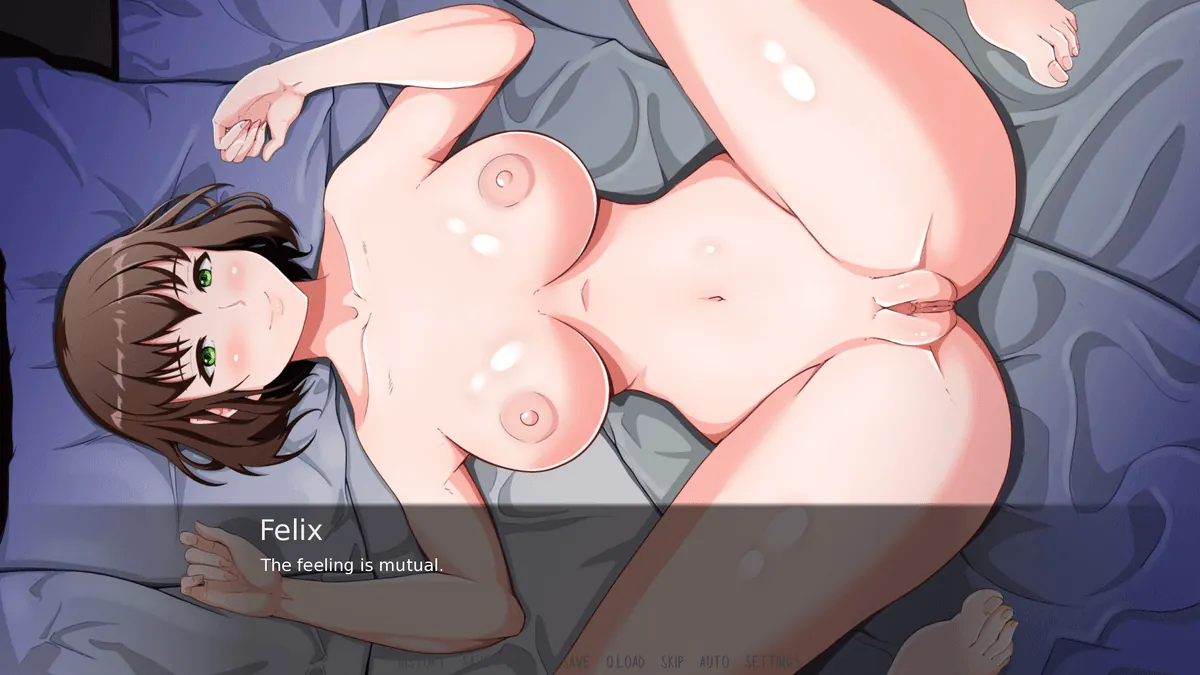
Miri’s Corruption
Play Miri’s Corruption
Miri’s Corruption Screenshots


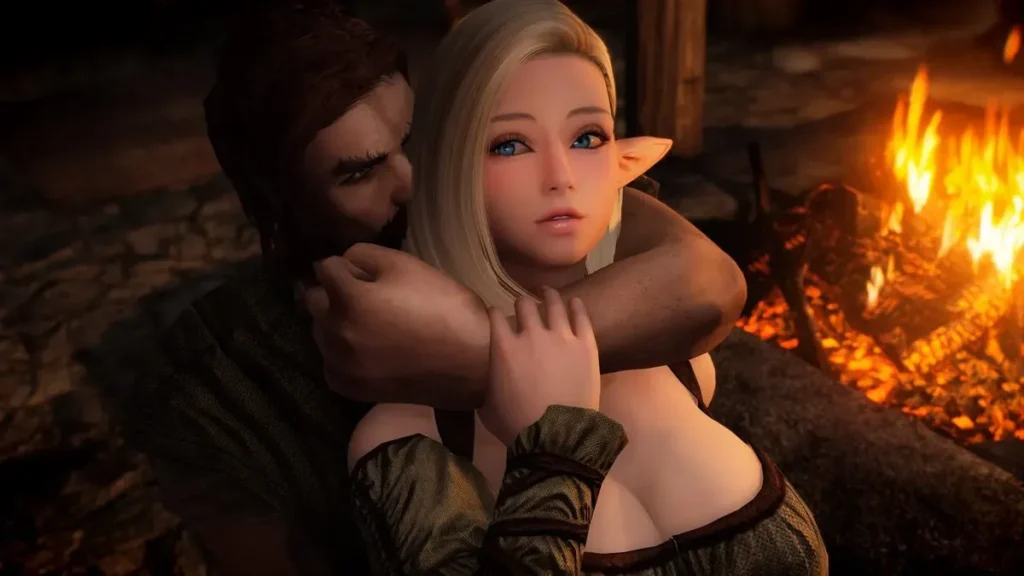

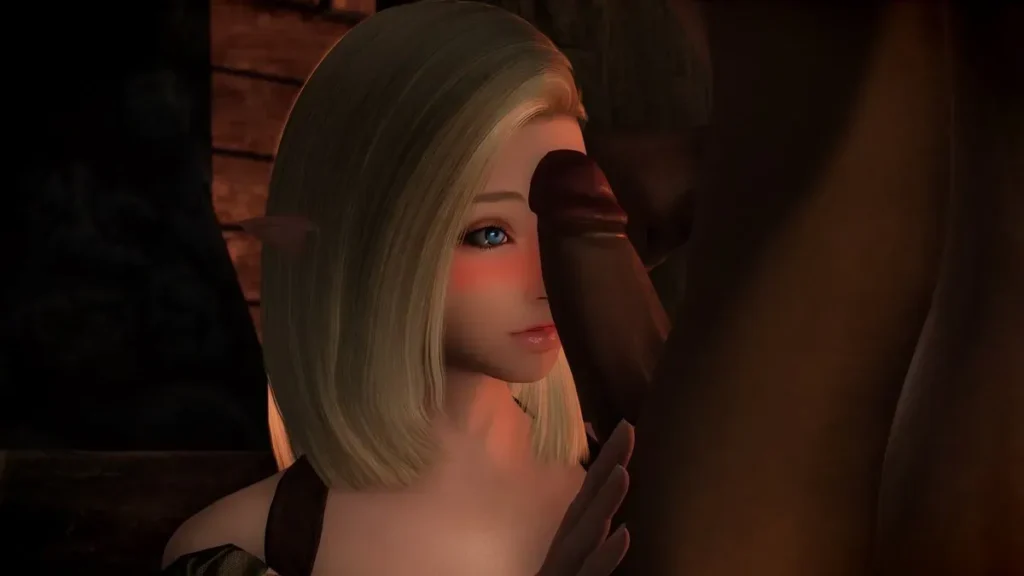
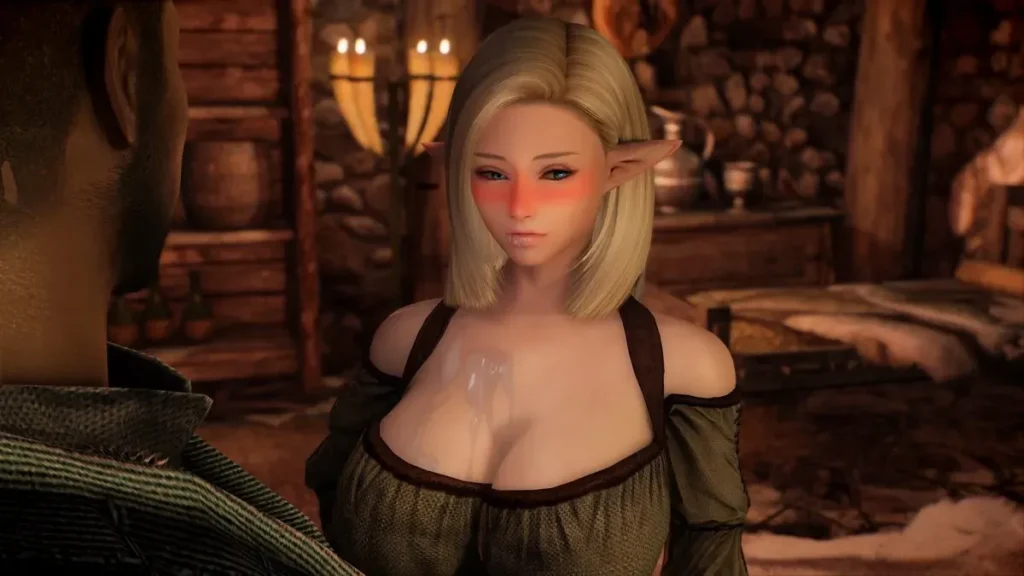

Miri’s Corruption review
Master the choice-driven narrative RPG with hidden stats and branching storylines
Miri’s Corruption stands out as a sophisticated choice-driven narrative RPG that blends visual novel storytelling with deep character progression mechanics. Developed by LewdAnnieMay, this fantasy-themed game puts you in control of Miri’s destiny as she navigates a world filled with temptation and moral choices. Rather than traditional combat or puzzle-solving, the game’s core appeal lies in its branching narrative system where every decision shapes Miri’s personality, appearance, and story outcomes. Whether you’re interested in understanding the hidden stat system, exploring different character paths, or discovering all possible endings, this guide breaks down everything you need to know about mastering this intricate gameplay experience.
Understanding Miri’s Corruption Core Mechanics and Stat System
Welcome, storyteller. 👋 If you’re like me, you booted up Miri’s Corruption expecting a fantasy RPG and quickly realized you weren’t just playing a game—you were tending to a living, breathing character. The magic, and the slight terror, of this experience lies in its invisible hand. There’s no HUD flashing numbers, no morality meter in the corner. Instead, every choice you make silently seeds one of three core aspects of Miri’s soul. This is the heart of Miri’s Corruption mechanics: a delicate, hidden ecosystem of stats that transforms your playthrough into a deeply personal narrative.
Forget about min-maxing combat numbers. Here, your currency is nuance, and your equipment is your conscience. The narrative RPG gameplay is engineered to make you feel the weight of every whispered secret, every defiant act, and every moment of curiosity. This chapter is your guide to understanding that invisible framework. We’ll pull back the curtain on the hidden stats system, explore the three pillars of Miri’s soul, and see exactly how your decisions don’t just change the story—they fundamentally change her.
How the Hidden Stats System Works
Let’s clear up a common misconception right away. 🎮 In most games, if you want to be a “bad” character, you pick the rude dialogue option. If you want to be “good,” you pick the nice one. Miri’s Corruption laughs in the face of that simplicity. Here, your alignment isn’t a slider between saint and sinner; it’s a triangulation between three competing inner forces.
The genius of the hidden stats system is that it’s never directly shown to you. You can’t open a menu and see that “Corruption is at 75.” Instead, you have to become a detective, reading Miri herself. The game communicates your stat progression through:
* Her Dialogue: The tone and content of her unspoken thoughts and spoken lines.
* Her Appearance: Gradual shifts in her clothing, hairstyle, and even her posture in camp.
* Character Reactions: How others in the world perceive and address her.
* The Demonic Mark: The most direct visual feedback, which we’ll explore later.
This approach to character stat tracking is revolutionary because it prioritizes role-playing over optimization. You’re not chasing a specific stat number; you’re cultivating a personality and witnessing its organic, sometimes unintended, consequences. The system runs on a point-based logic behind the scenes, where every significant action and dialogue choice adds or subtracts points from Innocence, Corruption, and Desire. The relative balance of these three values unlocks specific narrative branches, dialogue options, and visual changes.
Think of it like this: You’re not filling a bucket labeled “Evil.” You’re carefully mixing three primary colors—Innocence (white), Corruption (black), and Desire (red)—to paint a unique portrait of Miri. The final picture is a complete surprise, even to you.
The Three Pillars: Innocence, Corruption, and Desire
This trio forms the psychological bedrock of the entire game. Understanding them isn’t just helpful—it’s essential to navigating the choice-based branching narrative. Let’s break down each pillar, what it represents, and the kind of Miri it creates.
Innocence is Miri’s tether to her past, her community, and a simpler self. It’s not just about being “good.” It represents faith, tradition, compassion for others, and a connection to her elven heritage. High Innocence Miri speaks with softer conviction, favors modest, traditional elven garments, and wears her hair in practical, neat styles. She stands with a straight, almost dutiful posture. Choices that honor promises, protect the innocent, or embrace elven rituals strengthen this pillar.
Corruption is the measure of boundary-breaking and moral degradation. This isn’t mustache-twirling villainy; it’s often a pragmatic, cynical, or ruthless response to a cruel world. It’s about power, control, and rejecting limits. High Corruption Miri’s dialogue becomes sharp, sarcastic, or manipulative. Her clothing darkens and may feature sharper lines or revealing cuts that defy convention, and her posture becomes more dominant and relaxed. Choosing to betray for gain, use cruel power to solve problems, or embrace darker knowledge fuels Corruption.
Desire is the engine of curiosity and hedonistic craving. It’s the pursuit of experience, pleasure, and personal freedom for its own sake. This path is not inherently “corrupt,” but it is inherently selfish. High Desire Miri is vibrant, playful, and openly curious. Her attire becomes more colorful, expressive, and less concerned with propriety. She moves with a fluid, energetic grace. Choices that seek out new experiences, indulge in pleasures, or prioritize personal freedom and curiosity over obligation boost Desire.
The most fascinating character arcs emerge from the combination of these stats. A Miri with high Corruption but low Desire might become a cold, calculating manipulator who uses people without enjoying it. A Miri with high Desire and moderate Corruption becomes a joyful hedonist, breaking rules not for power, but for the thrill and pleasure of it. The Innocence Corruption Desire stats are constantly in conversation, and that conversation is the story.
To see how these pillars translate into the game world, here’s a breakdown:
| Stat Name | What It Represents | Effects on Miri’s Appearance & Dialogue | Example Choices That Increase This Stat |
|---|---|---|---|
| Innocence | Purity, tradition, compassion, connection to elven roots and community. | Modest, traditional clothing; neat, practical hairstyles; upright, formal posture. Dialogue is hopeful, kind, and principled. | Comforting a scared child; performing an elven rite correctly; refusing a bribe to keep a promise; choosing mercy over vengeance. |
| Corruption | Moral degradation, boundary-breaking, cynicism, pursuit of power/control. | Darker, sharper, or more revealing attire; disheveled or severe hairstyles; dominant, slouched, or predatory posture. Dialogue is sarcastic, ruthless, or manipulative. | Blackmailing an informant; using a cruel demonic power to win a fight; sacrificing an ally for personal gain; embracing forbidden texts. |
| Desire | Hedonism, curiosity, personal freedom, pursuit of experience and pleasure. | Colorful, unique, and expressive fashion; loose or wild hairstyles; fluid, energetic, and relaxed posture. Dialogue is playful, curious, and self-focused. | Sneaking out to explore a forbidden party; indulging in expensive luxuries; pursuing a romance for fun; choosing a risky path just to see what happens. |
How Your Choices Shape Miri’s Character Arc
This is where the theory becomes practice, and the narrative RPG gameplay truly sings. 🎭 Every major decision in Miri’s Corruption is less about “what happens next” in the plot and more about “who is Miri becoming?” The game’s branching isn’t just about reaching Ending A, B, or C; it’s about the countless subtle paths that get you there.
Let me give you a real example from my playthroughs. Early on, Miri and her companions capture a opportunistic thief who has been selling information to a dangerous faction.
- Choice Presented: What do you do with the thief?
- Turn him over to the town guards (the “lawful” path).
- Recruit him, using his skills for your own cause (the “pragmatic” path).
- Let him go, believing everyone deserves a second chance (the “compassionate” path).
- Take his stash of coin and information for yourself, then let him run (the “self-serving” path).
Seems straightforward, right? But the outcome isn’t determined by the choice alone—it’s filtered through your current Innocence Corruption Desire stats.
- In a high Innocence playthrough, choosing to recruit him (#2) might lead to a scene where Miri patiently tries to reform him, appealing to his better nature. The thief becomes a loyal, if begrudging, helper.
- In a high Corruption playthrough, that same choice (#2) plays out completely differently. Miri might threaten him, placing a magical compulsion on him to ensure his loyalty. He becomes a fearful asset, not a companion.
- In a high Desire playthrough, letting him go (#3) could be less about compassion and more about Miri finding his chaotic freedom admirable. He might later gift her a stolen trinket as thanks, unlocking a unique side quest.
- The self-serving option (#4) might, with high enough Corruption, allow Miri to take everything and still turn him in, a brutally efficient move. With high Desire, she might take the loot and share a drink with him, celebrating their mutual crooked luck.
This is the essence of the choice-based branching narrative. A single decision splinters into multiple unique scenes, dialogues, and future opportunities based on the character you’ve built. You’re not just picking plot points; you’re expressing a personality, and the game world reflects it back at you.
Visualizing the Arc: The Demonic Mark Progression ✨
This is your most tangible piece of character stat tracking. The Demonic Mark on Miri’s skin is a living reflection of her spiritual state. It doesn’t just grow with “bad” choices; it changes with the nature of your corruption.
* Innocence-Dominant Path: The mark may remain small, faint, or even develop a faint, silvery hue that seems to restrain it.
* Corruption-Dominant Path: The mark spreads aggressively, becoming darker, more jagged, and pulsing with ominous power. It looks like a crack in her soul.
* Desire-Dominant Path: The mark might spread in elegant, swirling patterns, glowing with captivating, almost beautiful colors. It looks less like a corruption and more like an exotic tattoo.
Watching the Demonic Mark progression is a constant, silent reminder of the path you’re on. It’s the game’s way of showing, not telling.
The beauty of this system is that it begs for experimentation. Thankfully, the game encourages this through generous save points before major decisions. My best advice? Play your first run blind. Make choices that feel right in the moment and live with the consequences. Then, save-scum like crazy! 😈 Go back and see how different your Miri would handle the same situation. You’ll be stunned by how much of the game’s content remains hidden in a single playthrough.
Ultimately, Miri’s Corruption is a masterpiece of narrative RPG gameplay because it understands that true role-playing isn’t about selecting a class at the start. It’s about the slow, often unconscious, cultivation of a person. The hidden stats system and the Innocence Corruption Desire stats are the tools that make this cultivation possible. Every dialogue choice, every action, is you asking yourself: what kind of change am I nurturing? What version of Miri is emerging from the choices I sow? There is no “right” answer, only your answer. And that is what makes guiding her journey so uniquely powerful.
Miri’s Corruption delivers a unique gaming experience where your decisions genuinely matter, shaping not just the story but the very essence of who Miri becomes. The sophisticated hidden stat system creates meaningful consequences for every choice, whether you’re pursuing a path of innocence, balanced corruption, or complete depravity. With multiple branching narratives, relationship-specific endings, and visual changes that reflect your character’s evolution, the game rewards experimentation and replayability. The Demonic Mark serves as a constant reminder of your spiritual journey, growing and changing based on your actions throughout the fantasy world. Whether you’re drawn to the moral complexity of maintaining purity, the intrigue of balanced indulgence, or the darker thrills of embracing corruption, Miri’s Corruption offers a deeply personalized narrative experience. Start your journey today and discover which path calls to you—then reload and explore another. The beauty of this game lies in its flexibility, allowing you to experience Miri’s complete character arc across multiple playthroughs.