
Randel Tales
Play Randel Tales
Randel Tales Screenshots









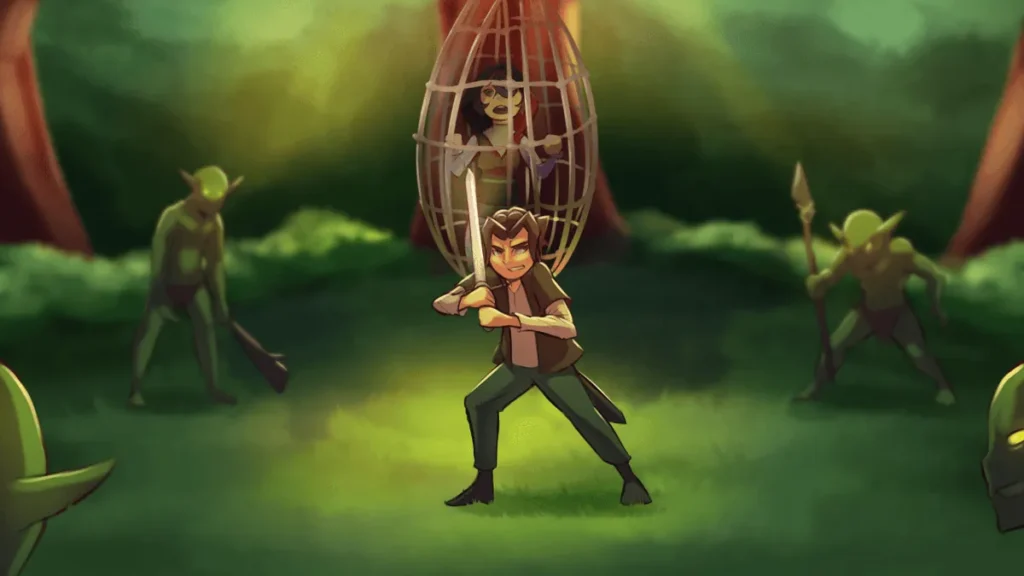






Randel Tales review
Explore gameplay mechanics, character development, and what makes this indie title stand out
Randel Tales has emerged as a unique indie title that combines engaging storytelling with interactive gameplay mechanics. This game stands out in the indie scene for its character-driven narrative, stat-based progression system, and meaningful player choices that impact the overall experience. Whether you’re curious about how the game’s academy system works, interested in character relationships, or wondering about the skill-check mechanics, this guide covers everything you need to know about what makes Randel Tales a compelling experience for players seeking depth beyond surface-level gameplay.
Understanding Randel Tales Core Gameplay Mechanics
Diving into Randel Tales can feel a bit like being thrown into a magical academy with no syllabus. 🎓 You’re told to study, explore, and make friends, but the how and why of getting stronger is strangely mysterious. I spent my first in-game week just talking to everyone and admiring the art, blissfully unaware that my character was stagnating. It wasn’t until a pivotal moment around the second week that the game lifted the curtain on one of its most crucial systems. If you’ve felt a bit lost, you’re not alone—and this guide is here to turn that confusion into mastery.
Let’s break down the very heart of your adventure: the systems that govern growth, challenge, and consequence. Understanding these isn’t just helpful; it’s the difference between floundering and truly shaping your own story.
How the Stat Allocation System Works
Here’s the thing nobody tells you upfront: in Randel Tales, your character doesn’t improve automatically. 🐌 Performing activities like studying magic in the library or hunting monsters in the forest earns you potential—little glowing orbs of experience in specific stats like Intelligence, Strength, or Charisma. But here’s the kicker: these orbs just sit there, unapplied, until you manually assign them.
I remember my “aha!” moment—or more accurately, my “oh no!” moment. It was around Day 12 when a classmate effortlessly cast a spell I struggled with. A quick (and frantic) menu dive later, I found the Character Sheet and a hoard of unspent stat points. All that time spent reading and practicing had banked the capacity for growth, but I hadn’t activated it. This is the core of the Randel Tales stat system: it’s a bank-and-invest model.
You earn points through specific actions:
* Intelligence: Studying, reading specific books, solving puzzles.
* Strength & Dexterity: Combat training, hunting, physical chores.
* Charisma: Successful conversations, helping townsfolk, certain dialogue choices.
The game’s initial lack of direct tutorial for this is its biggest hurdle. You’re left to discover it organically, which can be frustrating but also makes the discovery feel personal. For a smooth skill allocation guide, my biggest tip is this: open your character menu every single in-game day. Check your progression tab. If you see points available, spend them immediately on the stats that align with your desired path—be it a scholarly mage, a brave warrior, or a persuasive diplomat.
To visualize this and save you the guesswork, here’s a breakdown of the primary stats and how to grow them:
| Core Stat | Primary Activities to Earn Points | When to Start Focusing | Progression Tip |
|---|---|---|---|
| Intelligence | Library study sessions, reading lore books in your room, completing alchemy assignments. | Immediately, if aiming for magic-heavy builds or acing written exams. | Don’t neglect this even for warrior builds; it affects puzzle-solving and some dialogue. |
| Strength | Sparring at the training grounds, hunting in the Whispering Woods, manual labor quests. | By the end of the first week, as physical challenges increase. | Pair with Dexterity for a balanced combatant; pure strength can make you slow. |
| Dexterity | Archery practice, stealth segments, foraging for herbs, certain mini-games. | Mid-game, when avoiding damage becomes as crucial as dealing it. | Essential for characters who want to rely on speed or ranged weapons. |
| Charisma | Choosing polite/helpful dialogue, returning lost items, successful persuasion attempts. | Early and often. It opens unique quest paths and information. | This stat is key for players who want to explore the narrative depth and avoid unnecessary fights. |
This hands-on approach to character progression in Randel Tales means no two playthroughs will ever be exactly alike. Your daily choices directly build the hero you become. ✨
Skill Checks and Memory-Based Academy Tests
Beyond raw stats, Randel Tales integrates your growth into the world through skill checks gameplay. These are context-sensitive challenges where your stats are put to the test. You might need Strength to move a fallen log blocking a path, Intelligence to decipher an ancient script, or Charisma to calm a frightened animal. Early on, these checks are frequent, gently teaching you the system.
However, an intriguing design choice is that these skill checks become rarer as the game progresses. It’s not that the world gets easier, but rather that your foundational abilities are assumed to be set. The game shifts from testing if you can do something to challenging how you choose to apply your capabilities in complex situations. This makes early-game checks crucial for building a capable character.
Then there’s the academy’s unique evaluation method: the memory-based academy test mechanics. 🧠 Forget multiple-choice; these tests pull directly from the monster book information system. Throughout your adventures, you’ll fill this bestiary with entries on creatures you encounter, detailing weaknesses, habitats, and behaviors. The tests then ask specific questions like, “What is a Forest Wisp’s primary vulnerability?” or “During which moon phase are Gutterkin most active?”
It’s a brilliant idea that ties exploration directly to academic success. However, in my playthrough, I felt this mechanic was underutilized. There are only a handful of these tests, and they often feel like isolated events rather than a core pillar of the academy life. It’s a missed opportunity to really make players feel like true monster-hunting scholars. My advice? Treat the monster book as your most important textbook. Update it meticulously after every encounter. When a test comes, you’ll be grateful you did.
Character Progression and Consequence Systems
This is where Randel Tales truly shines and separates itself from the pack. Your journey isn’t just about numbers going up; it’s a web of player choice consequences that are tangible, lasting, and often beautifully nuanced. 🕸️
The character progression in Randel Tales is a dual-track system. On one track are your stats and skills—the mechanical growth. On the other, just as important, is your narrative and relational growth. Choosing to help one character might permanently close off a questline with another. Deciding how to resolve a conflict—with words, force, or cunning—can alter how entire factions treat you for the rest of the game.
I learned this the hard way. In one early quest, I stumbled upon a student being bullied. I chose a witty, Charisma-based retort that embarrassed the bully and made a fast friend. Several weeks later in the story, that same bully, now holding a position of minor authority, remembered the slight and made a critical mission unnecessarily difficult. The game doesn’t telegraph these moments with “THIS WILL HAVE CONSEQUENCES” pop-ups. It trusts the world to feel alive and reactive.
These consequences affect everything:
* Quest Availability: Some paths are locked or unlocked based on reputation.
* Party Dynamics: Who will stand with you in a crisis depends on your prior actions.
* Story Endings: The finale has numerous variants, deeply influenced by the sum of your choices.
The progression curve is expertly paced. Early days introduce basic stats and social systems. The mid-game layers on the consequence web and more complex tests. The late game is where everything converges, and you face challenges that demand both your high stats and the alliances you’ve cultivated. It makes the entire experience feel cohesive and deeply personal.
To thrive in Randel Tales, here’s your action plan:
1. Check Your Stat Bank Daily: Make it a ritual. Earn points through role-play, then invest them immediately.
2. Role-Play Consistently: Pick a character archetype and stick to it when allocating points. A scattered build can leave you failing key checks later.
3. Live in the Monster Book: After every encounter, open it. Read the new entries. This isn’t just flavor text; it’s exam material.
4. Embrace Your Choices: Don’t save-scum to see every outcome on your first run. The weight of player choice consequences is what makes the story yours. Live with your decisions, and let them guide your unique tale.
By understanding these interlocking systems—the proactive stat building, the testing of knowledge and skill, and the lasting ripple effects of your actions—you move from simply playing Randel Tales to truly inhabiting its world. Your journey through the academy becomes your own unforgettable story. 📖
FAQ: Navigating Randel Tales’ Unique Systems
Q: I’m totally lost on increasing my stats. What am I missing?
A: You’re likely missing the manual allocation step! Activities like studying or hunting earn potential points. You must open your Character Sheet (usually in the main menu) and manually assign these points to the stats (Intelligence, Strength, etc.) for them to take effect. Do this regularly!
Q: The academy tests seem unfair. How can I prepare?
A: They test your knowledge from the monster book information system. Whenever you defeat or study a new creature, open your inventory and find the monster book or bestiary. Read every new entry in detail. The tests ask direct questions from these descriptions.
Q: Are skill checks random? Why do I see fewer later on?
A: They’re not random; they’re tied to specific story moments and your stats. They become rarer because the game assumes your core competencies are established. The challenge shifts from passing checks to dealing with the larger player choice consequences of your actions.
Q: I’m worried about making wrong choices. Can I ruin my playthrough?
A: “Ruin” is the wrong word. You can create a different playthrough. Randel Tales is designed around living with your decisions. A “bad” outcome often leads to unique content you wouldn’t see otherwise. Embrace your path—you can always try a different approach in another playthrough!
Q: What’s the most important stat for a first-time player?
A: While it depends on your style, Charisma is incredibly valuable for a first run. It opens up more dialogue options, helps you gather information, and can help you avoid some difficult fights, giving you more room to learn the game’s other systems.
Randel Tales represents a compelling indie title that successfully blends character-driven storytelling with engaging gameplay mechanics. The game’s stat allocation system, skill-check mechanics, and memory-based academy tests create a unique progression experience, though clearer communication of these systems would benefit new players. Character relationships form the emotional core of the experience, with meaningful choices that create real consequences throughout the narrative. While the game shows signs of its extended development through inconsistent art styles and occasional technical issues, the high-quality character work, engaging story branching, and genuine emotional impact make it a standout experience. Whether you’re drawn to relationship-building gameplay, strategic stat management, or character-focused narratives, Randel Tales offers depth and replay value that rewards careful attention to its mechanics and character interactions.