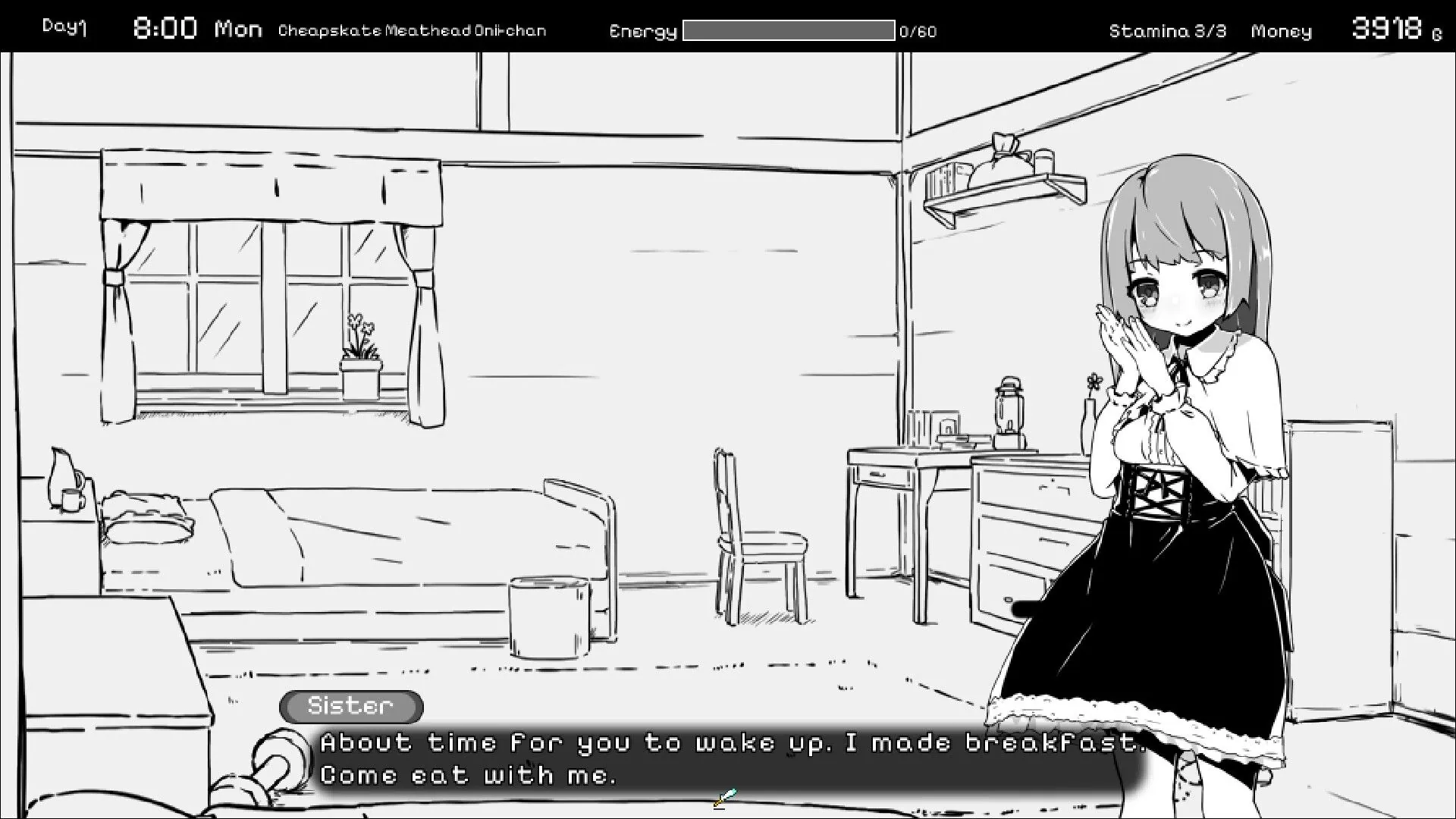
Second Happiness
Play Second Happiness
Second Happiness Screenshots





Second Happiness review
An in-depth, player-focused walkthrough and analysis of Second Happiness
Second Happiness is a narrative-driven interactive game that blends branching choices, relationship mechanics, and scene unlocks into a replayable experience. In this guide I’ll walk you through core mechanics, key character routes, choice sequences that trigger important events, and practical tips I learned while playing multiple runs. Whether you want to reach specific endings, unlock scenes efficiently, or understand version differences, this article will provide step-by-step tactics and personal insights to save you time and frustration.
Core gameplay, mechanics, and version notes
Alright, let’s get into the good stuff! 🎮 If you’re here, you’re probably past the initial “wow, this is beautiful” phase of Second Happiness and are now staring at the stat screen, the in-game clock, and a bunch of character portraits, wondering how it all fits together. I was right there with you. The game doesn’t always spell everything out, and figuring out the Second Happiness mechanics on your own can be a puzzle. This chapter is your decoder ring. We’re breaking down the core systems, looking at important version notes, and I’ll share the practical playstyle tips that saved my sanity (and my saves!).
Think of this as the foundation for your perfect Second Happiness walkthrough. Master these elements, and you’ll be steering the story toward your chosen happiness, not just hoping for the best.
How the game’s stats and relationship systems work 🧠❤️
At its heart, Second Happiness is a game about growth and connection. Your progress is gated by two intertwined systems: your personal game stats and relationships. You can’t just spam conversations to win someone over; you need to become the person they’d want to be with. It’s brilliantly punishing.
The four core stats represent facets of your character’s development:
* Intellect: Your book-smarts, reasoning, and conversational depth.
* Charm: Your social grace, wit, and ability to read a room (or a person).
* Vitality: Your physical energy, health, and presence.
* Empathy: Your emotional intelligence, kindness, and capacity for understanding.
You raise these stats by performing specific actions during your daily routine. Reading at the library boosts Intellect, working out at the gym increases Vitality, and so on. But here’s the first big catch: time is your most precious resource. The in-game day is divided into blocks (Morning, Afternoon, Evening, Late Night), and most actions consume one block. You can’t do it all in one playthrough, so you must specialize.
The second system is Relationship Points (RP) with each major character. This isn’t a simple like/dislike meter. It’s a hidden score that changes based on:
* Dialogue Choices: The most obvious one. Choosing supportive or aligned responses grants RP.
* Gifts: Each character has loved, liked, and disliked gifts. Giving a loved gift at the right time is a huge boost. I once gave Elara a vintage poetry book on her birthday (found after maxing Intellect), and it unlocked a whole scene I’d never seen before! 📖
* Actions/Touch: This is where the game gets subtle. During certain interactive scenes, you can choose to gesture, touch a character’s arm, or step closer. These choices are locked behind stat checks. A high Empathy might let you notice they’re shivering and offer your jacket, which grants massive RP.
* Time and Place: Many special events only trigger if you are at a specific location during a specific time block, and have a certain stat level. The game world is on a schedule!
The magic (and frustration) happens when these systems collide. To unlock a character’s deeper story events and, eventually, their route, you often need a specific stat threshold AND a minimum RP level. You might adore Kaelen and always say the right thing, but if your Charm is too low, you’ll never unlock the option to help them with their art show, blocking your progress.
To make this crystal clear, here’s a breakdown of the key stats, how to raise them, and what I consider the “safe” targets for pursuing routes:
| Core Stat | What It Represents | Primary Ways to Increase | Target for Most Routes |
|---|---|---|---|
| Intellect | Knowledge, logic, study | Library (Study), Computer Lab, Specific Book Gifts | Level 6-7 |
| Charm | Social skill, confidence, flair | Café (Socialize), Boutique (Shop), Comedy Club Events | Level 5-6 |
| Vitality | Health, stamina, strength | Gym (Exercise), Park (Run), Sports Minigames | Level 4-5 |
| Empathy | Emotional insight, care, listening | Volunteering, Listening in Conversations, Thoughtful Gifts | Level 7-8 (Crucial!) |
My Golden Rule: Prioritize Empathy above all else in your first run. A staggering number of meaningful dialogue options and scene triggers are locked behind it. It’s the master key to the game’s heart.
Version history, common bugs and save tips ⚠️📁
Second Happiness has seen some incredible post-launch love from its developers. Knowing the version notes can explain why your friend saw a scene you didn’t, or help you avoid a known crash. Here’s the shortlist you need:
- v1.0 (Launch): The base game. Stable, but missing some later polish and a few quality-of-life features.
- v1.2 “Connection Update”: 🎉 This was a big one. Added two entirely new character events for each route, fleshed out the mid-game. This is the version where the famous “Starlight Bridge” scene for Kaelen was added.
- v1.3: Mostly bug fixes, but also tweaked the stat requirements for Elara’s route (lowered Intellect, raised Empathy), making it more accessible.
- v1.5 “Autumn Glow” (Current as of my play): Added seasonal backgrounds, new gift items, and, most importantly, the “Save Guardian” system. This leads us to our critical save protection tip.
Now, let’s talk about the elephant in the room: save corruption. I learned this the hard way. Around version 1.2, there was a nasty, intermittent bug related to the game closing during an auto-save. I was 20 hours into a meticulous Elara run, my stats were perfect, our relationship was soaring… and one day the file just wouldn’t load. The game acted like it never existed. I was devastated. 😫
Since the v1.5 update, the Save Guardian system tries to prevent this by creating backup copies. But you can’t rely on it alone. Here is your essential save protection tip mantra:
Manually back up your saves regularly. Do not rely on auto-save.
The game stores its saves in a dedicated folder (usually in Documents/My Games/Second Happiness). Every time you finish a major in-game week or achieve a big story milestone:
1. Pause and exit to the main menu.
2. Go to your file explorer, navigate to that save folder.
3. Copy the entire folder and paste it somewhere safe (like a “Second Happiness Backups” folder on your Desktop or in cloud storage).
It takes 30 seconds and it will save you literal days of grief. After my great corruption disaster, I adopted this habit. Sure enough, during my next playthrough, a game crash corrupted the active file. I simply closed the game, replaced the corrupted save folder with my backup from the previous night, and lost only one hour of progress instead of my entire journey. This is the single most important piece of non-gameplay advice I can give you.
Practical playstyle tips I used ✨
So, how do you actually apply all this theory? Here’s the daily strategy and route prioritization that worked for me. Think of this as your personal Second Happiness walkthrough blueprint.
Efficient Stat Targets & The Daily Grind:
Don’t try to be a jack-of-all-trades. Pick two primary stats based on your chosen character’s personality (e.g., Intellect & Empathy for Elara, Charm & Vitality for Marco). Aim to get these to Level 7-8 by the mid-game. Your other two stats should be “dumped” to a functional minimum of Level 3-4 just to pass basic checks. My ideal daily routine looked like:
* Morning (Energy High): Use this for your most important stat grind. If Intellect is key, go to the Library every single morning.
* Afternoon (Social Time): This is usually when character-specific events or hangouts trigger. Keep this block flexible. If nothing is scheduled, use it for your secondary stat.
* Evening (Wind Down): A good time for Empathy-building activities (like volunteering) or revisiting locations where a character might be. Some special events only happen at night!
* Late Night (Limited Use): Often just for sleeping, but a few rare, intimate scenes can trigger here if your relationship is very high.
Route Prioritization: Your Playthrough Order:
* First Playthrough: Go Blind & Follow Your Heart. Seriously. Pick the character you’re most drawn to, focus on Empathy and their preferred stat, and just experience the story. Don’t save-scum every choice. The bittersweet or “failed” scenes are often beautifully written and add to the replay value. This run is for immersion.
* Second Playthrough: The Completionist Run. Now you know the Second Happiness mechanics. Pick a different character. Use a guide if you want to min-max. This is when you strategically plan your days, target perfect stat distributions, and hunt for the specific scene triggers you missed the first time. You’ll appreciate the game’s design so much more.
My Final, Actionable Advice:
1. Gifts are Game-Changers. When you find a “loved” gift for someone, do not give it immediately. Save it for a key story moment (like after a personal crisis for them, or on their birthday) for maximum RP impact.
2. The Clock is Your Boss. If you’re aiming for a 100% scene log, you will need multiple runs focusing on different time blocks. Some scenes only occur on rainy afternoons at the park, or clear Tuesday mornings at the café.
3. Talk to Everyone, Every Day. Even characters you’re not romancing can give you gifts, tips, or unlock side activities that boost your stats in unique ways.
Mastering the game stats and relationships and respecting the flow of time is what transforms Second Happiness from a pretty visual novel into a deeply engaging simulation of personal growth. It’s not just about who you love; it’s about who you become in the process. Now, with these systems demystified and your saves safely backed up, you’re ready to build your happiness from the ground up. Happy gaming! 🌟
Second Happiness offers layered branching routes that reward careful planning, saving strategy, and multiple playthroughs. This guide covered core mechanics, detailed route triggers, hotspot timing and choice combinations, technical and community resources, and responsible play considerations drawn from personal runs. Use the checklists and example sequences to structure your first two playthroughs, back up saves frequently, and consult community hubs for patch notes or clarifications. If you found specific tactics useful, try them in a fresh run and share your results with fellow players to refine approaches further.