The Fate of Irnia
Play The Fate of Irnia
The Fate of Irnia Screenshots
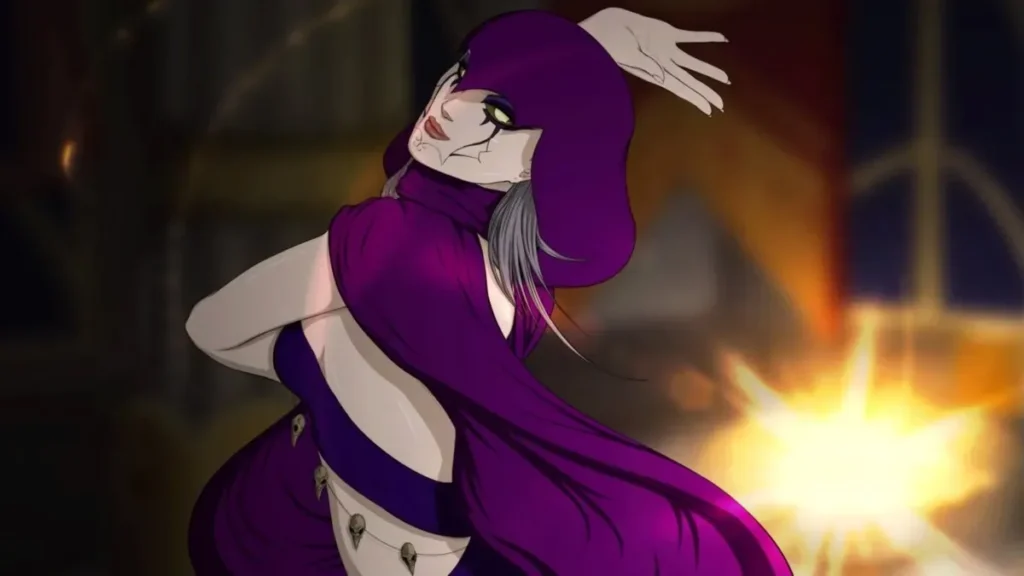
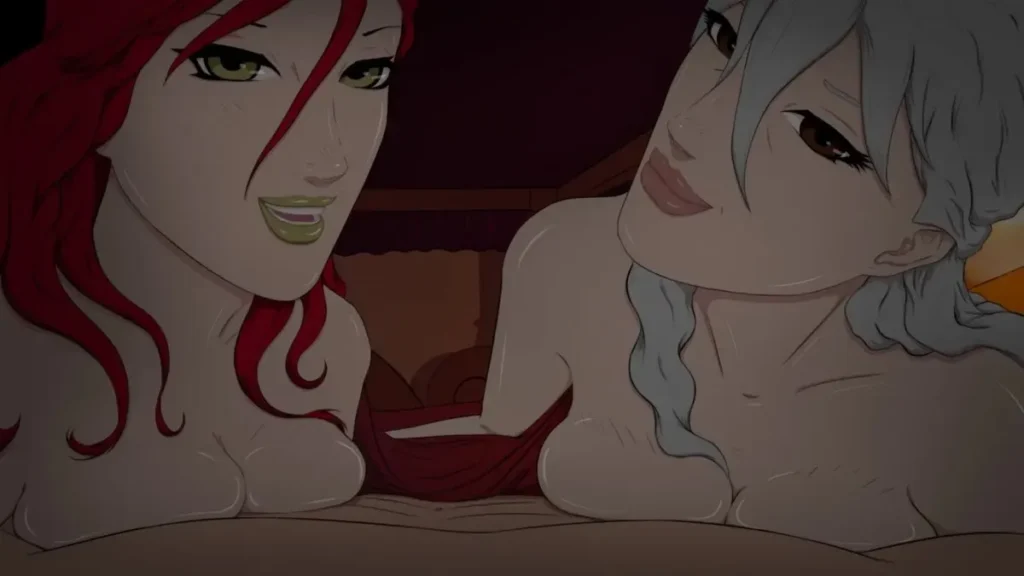
The Fate of Irnia review
Dive into a Fantasy Realm of Romance, Power, and Destiny-Shaping Decisions
Imagine inheriting a mysterious magical orb on your 17th birthday, right as orc hordes threaten your homeland of Irnia. That’s the gripping hook of The Fate of Irnia, a captivating visual novel where your every choice rewrites history. I remember my first playthrough—heart pounding during tense council meetings, butterflies from budding romances, and shock at dark twists like the Death encounter. This game blends immersive storytelling, deep relationships, and high-stakes consequences, offering multiple endings that keep you coming back. Whether you’re exploring ruins, forging alliances, or unlocking intimate scenes, The Fate of Irnia delivers a personal journey through fantasy adventure and desire. Ready to shape Irnia’s destiny?
What Makes The Fate of Irnia Unmissable?
Let me tell you about the time I got a beloved character executed before the second chapter. 😅 I was playing The Fate of Irnia, feeling clever, and thought hiding a crucial piece of information from the royal guard was the morally right thing to do. Big mistake. My choice didn’t just earn me a frown; it completely rewrote the political landscape of the capital and left me without a crucial ally for the rest of the game. I was stunned. That’s the moment I realized what is The Fate of Irnia at its core: a world where your decisions carry breathtaking, permanent weight.
This isn’t just another fantasy story you watch unfold. This is a realm you steer, a destiny you forge. The Fate of Irnia game pulls you into a beautifully rendered continent on the brink, where empires clash, ancient magic stirs, and every conversation can be a turning point. Forget passive storytelling; here, you are the author. So, what exactly makes this Irnia visual novel an absolute must-play? Let’s dive in.
How Player Choices Drive the Story in The Fate of Irnia
From the very first screen, The Fate of Irnia establishes one rule: nothing is trivial. You might start as a simple farmhand in a remote village, but a chance encounter with a mysterious wounded stranger sets you on a path that will determine the continent’s future. This branching story Irnia is famous for doesn’t just offer “good” or “evil” dialogue options. It presents nuanced, often difficult decisions with far-reaching consequences.
Think of it like this: early on, your village is threatened by marauders. Do you spend your limited time fortifying the gates, evacuating the elderly, or trying to find a diplomatic solution with the hostile bandit leader? Each choice isn’t just about success or failure in that moment. Fortifying might save structures but cost lives. Evacuating could build unwavering loyalty from some villagers while others see you as a coward. Diplomacy could lead to a powerful new contact… or a deadly trap.
The game tracks everything—your alliances, your reputation with factions, even individual character opinions. That secret you kept? It might be used against you later by a rival. The kindness you showed a beggar? They could reappear as an informant with a critical clue. This web of cause and effect is what creates the game’s legendary player choices endings. You’re not working toward one of two conclusions; you’re weaving a completely unique tapestry from dozens of major decision points.
My advice for your first playthrough? Don’t save-scum! That first, blind, authentic run where you live with your mistakes and surprises is magical. Embrace the unexpected twists your choices create.
The Magical Orb: Your Key to Power and Relationships
Now, how do you influence this complex world beyond simple dialogue? Enter the game’s genius core mechanic. Early in your journey, you awaken a Magical Orb, a sentient artifact bonded to your soul. This isn’t just a fancy mana bar—it’s your direct interface with the world’s energy and the heart of magical orb mechanics.
The orb manifests two distinct types of influence, visualized as Red (Conviction) and Blue (Empathy) energies. These aren’t “good vs. evil.” Think of Red as direct, forceful, and transformative. It’s the energy you might use to strengthen a sword, intimidate a foe, or forcefully mend a broken object. Blue is subtle, perceptive, and connective. It could be used to soothe a frightened animal, discern a hidden truth in someone’s words, or gently encourage a plant to grow.
Here’s where it gets brilliant for a branching story Irnia: you can use these energies as social “hacks.” 🪄
* Is a merchant lying about his prices? A subtle pulse of Blue energy might let you sense his anxiety and negotiate a better deal.
* Is a guard blocking your path to a critical meeting? A flare of Red energy could project an aura of unshakable authority, making him step aside.
But choose wisely! Constantly using Red might make you seem powerful but cold, pushing away potential friends. Over-relying on Blue might make you seem compassionate but vulnerable to those seeking to manipulate you. Your orb usage directly affects how characters perceive and react to you, opening or closing entire relationship paths. Managing this balance is the key to unlocking the deepest layers of The Fate of Irnia.
Why Replayability Keeps You Hooked on Irnia’s Fate
You’ve seen one ending. So what? In most games, that’s it. In The Fate of Irnia, that’s just the beginning. The sheer volume of meaningful player choices endings makes a second, third, or even fifth playthrough not just fun, but essential to fully understanding the world.
On my second run, I made different early choices and found an entire faction—a secret society of scholars—that was completely absent from my first game. Their headquarters, a hidden library in the mountains, was a major location with its own quests, characters, and lore that I never knew existed! That’s the magic. Major world states change:
* An entire city can stand proud or lie in ruins.
* Characters who were your bitter enemies in one playthrough can become your closest confidants in another.
* The final, climactic battle can be against completely different antagonists based on your political alliances.
The Fate of Irnia game is designed with exclusive content locked behind specific choice combinations. Did you ally with the naval empire and master Red orb abilities? You’ll get a thrilling sea-based finale. Did you side with the forest druids and hone your Blue energy? You’ll experience a mystical, nature-focused ending. This isn’t just about a different cutscene; it’s about living a different story altogether.
| Player Loves 💖 | Room to Improve 🔧 |
|---|---|
| The incredible depth and consequence of every choice. | Some early-game pacing can feel slow on repeat playthroughs. |
| The Red/Blue orb system that blends magic with social interaction. | The sheer scale can be overwhelming for new players. |
| Massive replay value with truly exclusive story paths. | More autosave slots would be helpful for major decision points. |
| Rich, evolving character relationships that feel authentic. | Certain romance paths require very specific, sometimes opaque, choice sequences. |
So, what’s the optimal first-play strategy? Go in blind and be true to your instincts. Don’t try to “game” the system. Then, on your next run, pick a specific goal: “This time, I’ll fully embrace Red orb energy,” or “I’m going to win the trust of the Merchant’s Guild.” This focused approach lets you experience the game’s staggering breadth. The meaningful consequences are what make your successes feel earned. Saving the kingdom isn’t rewarding because the game told you to; it’s rewarding because you navigated a hundred smaller crises to make it possible.
In the end, The Fate of Irnia is an invitation to lose yourself in a world that truly listens. It remembers your kindness, your ruthlessness, your hesitation, and your courage. It then weaves those threads into a epic tapestry that is yours alone. Your fate, and the fate of Irnia, awaits.
FAQ
Q: I’ve never played a visual novel before. Do I need experience to enjoy The Fate of Irnia?
A: Not at all! While it’s a fantastic example of the Irnia visual novel genre, it plays more like an interactive fantasy novel where you’re the protagonist. If you enjoy rich stories, character-driven narratives, and the thrill of making impactful decisions, you’ll feel right at home.
Q: Just how many endings are there?
A: The developers describe a system of dozens of major world states that combine to create a vast array of unique conclusions. While there are a handful of “arc” endings (like who rules the continent), the specific fates of locations, factions, and characters within those arcs create a nearly personalized finale. You’ll almost certainly see a new one on each playthrough.
Q: How long is a single playthrough?
A: A focused playthrough aiming for one specific story path can take around 10-12 hours. However, exploring dialogue, reading the rich lore, and experimenting with choices can easily extend that to 15+ hours for a first run. The beauty is that subsequent playthroughs can be quicker as you skip known dialogue, or longer as you dive into brand-new content.
Q: Is romance a major part of the game?
A: Yes, but it’s woven seamlessly into the narrative. Romantic relationships develop organically based on your choices, orb influences, and how you handle key story moments. They are not separate “quests,” but deep, evolving parts of the branching story Irnia offers, and they can significantly influence the political landscape and your available allies.
The Fate of Irnia isn’t just a game—it’s your chance to live a fantasy epic filled with romance, tough choices, and unforgettable twists. From the orb’s seductive whispers to orc invasions and heartfelt connections, every path reveals new depths. I dove in skeptical but emerged obsessed, replaying to chase every romance and ending. Don’t miss shaping Irnia’s world your way. Grab it now, make bold decisions, and uncover secrets that linger long after the credits. Your destiny awaits—what will you choose?